The War That Didn’t End
What one life taught me about Agent Orange, time, and staying with a story
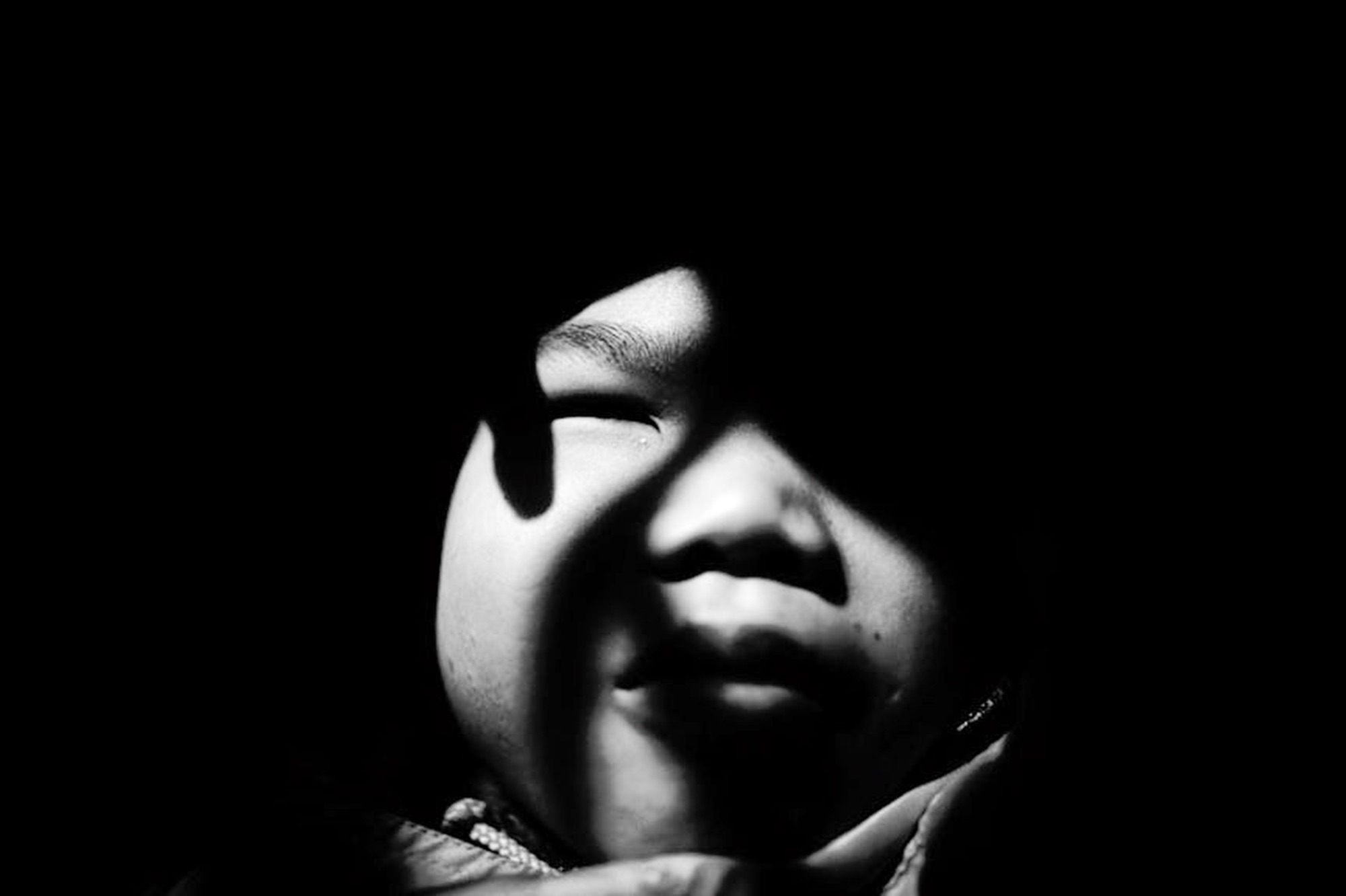
I first photographed Nu almost twenty years ago. Seeing that written down is a reminder of how fast the years go. I remember her rocking beneath a staircase at Friendship Village on the outskirts of Hanoi, humming the same tune over and over again. It was easy to miss unless you slowed down.
Friendship Village is both a vocational training center and a home for children and veterans living with disabilities linked to Agent Orange, a herbicide used by the US military during the Vietnam War, or as it’s known here, the American War. The chemical was sprayed to clear jungle cover where enemy forces were believed to be hiding. What made it especially destructive was the dioxin it contained, which persists in the environment and in the human body. Decades later, its effects are still present. Cleanup efforts have been made, and cooperation between the US and Vietnam continues, but the consequences didn’t end when the war ended.
I moved to Vietnam in 2006 as a young photojournalist, and this was the first story I wanted to tackle. It had been covered before, but it was new to me. I wanted people my age, and younger, to understand that the impact of war doesn’t stop with a death count or a history lesson. It carries forward, quietly, into families and daily life.
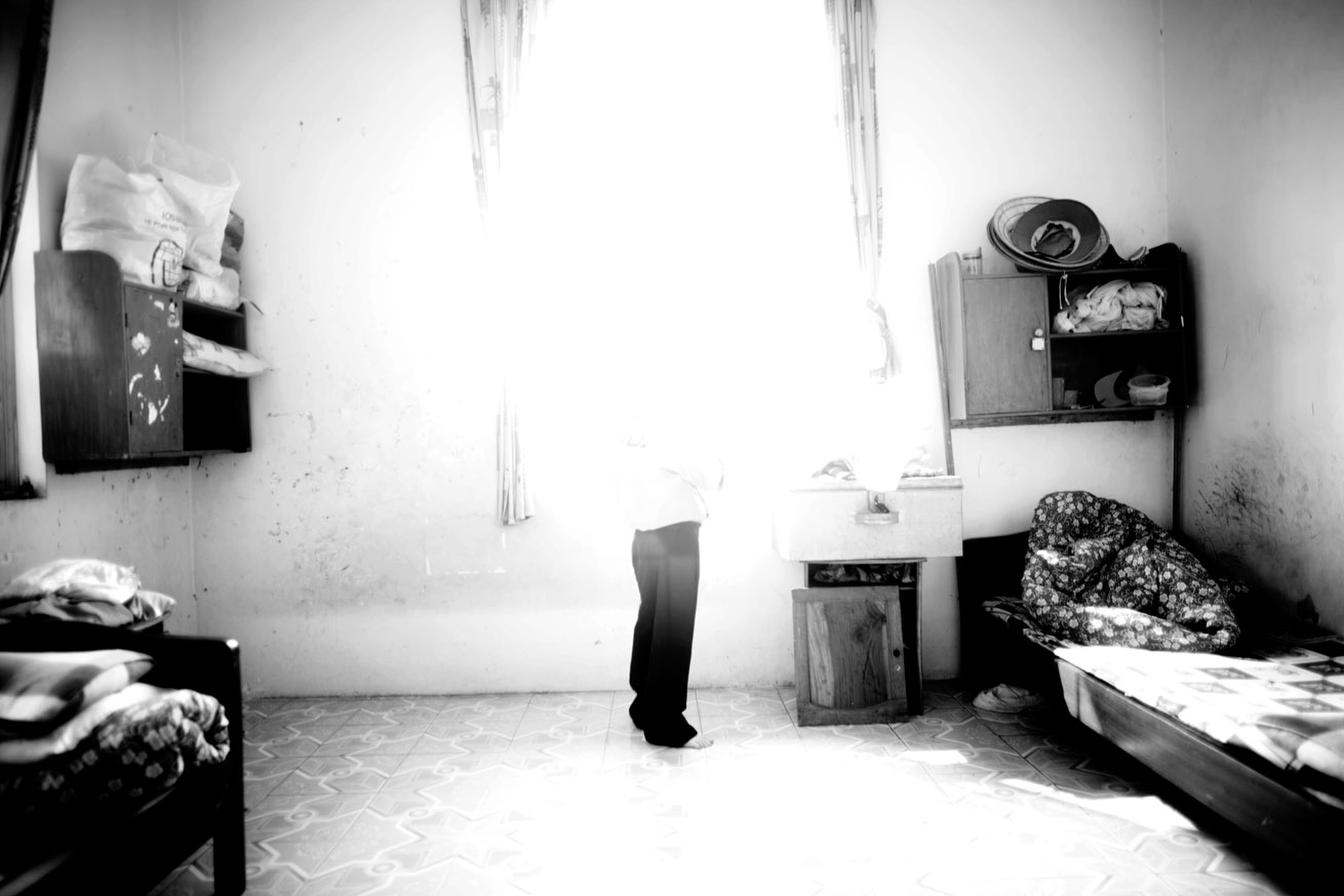
My first attempt was a broad story. I spent a week photographing at a center in Ba Vi where 130 children lived, many with severe physical and mental disabilities associated with Agent Orange exposure in their families. That work was published in Newsweek as a multimedia piece. I received thoughtful emails, and I appreciated that. But once it ran, the media cycle moved on. Another story replaced it, as always.
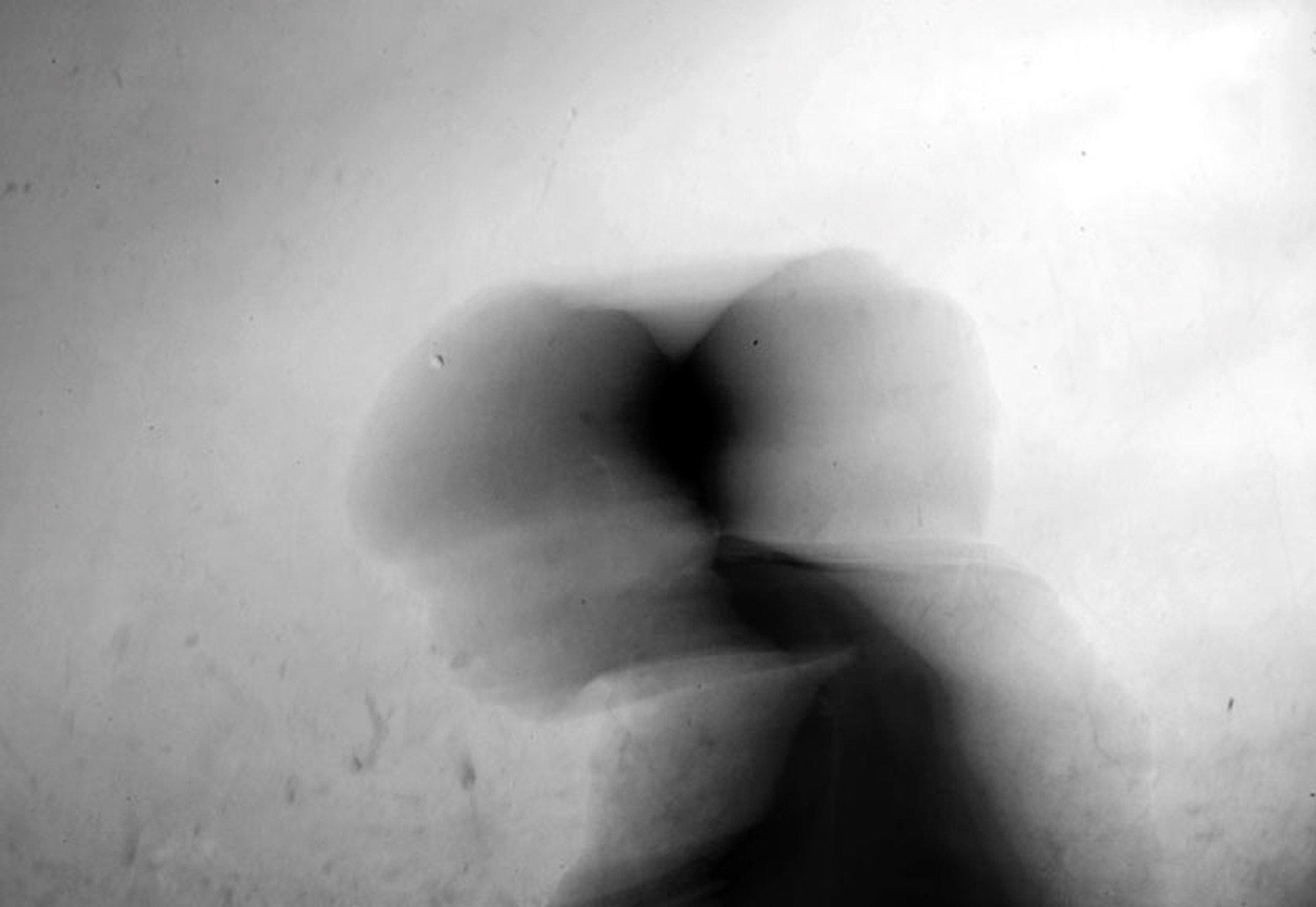
That left me feeling unsatisfied. Not with photography itself, but with how quickly important stories are consumed and forgotten. I started to feel that if I wanted to tell something that mattered, I needed to slow it down and make it more personal. Instead of trying to show everything, I needed to stay with one story.
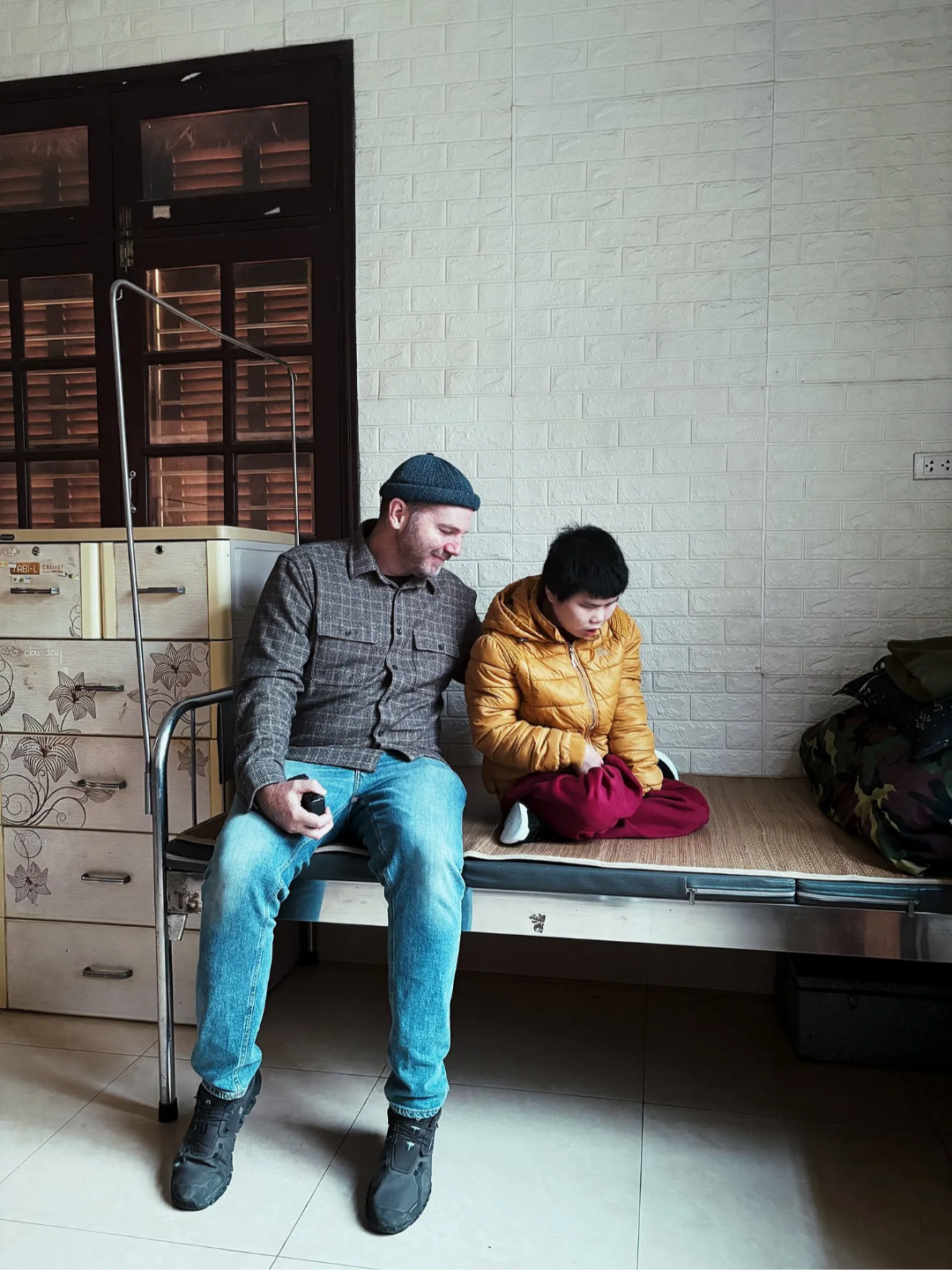
That’s what brought me back to Friendship Village, this time with my friend Mrs. Thuy, as her students call her. She was an English teacher at a well-known primary school in Hanoi, and when I first moved to Vietnam she became a kind of guide for me. She helped me understand the culture, the rhythms of life, and the realities of being an outsider. She also understood that access in Vietnam depends on trust, and trust takes time, especially given the history between our countries.
With her help, I was allowed to live inside the center for a week. There was no assignment, no funding, no publication behind me. I just had time, a camera, and the energy to tell a story. At first, the children surrounded me, eager to practice their English and interact with the foreigner carrying a camera. When that novelty wore off, I was able to move more quietly through the space.
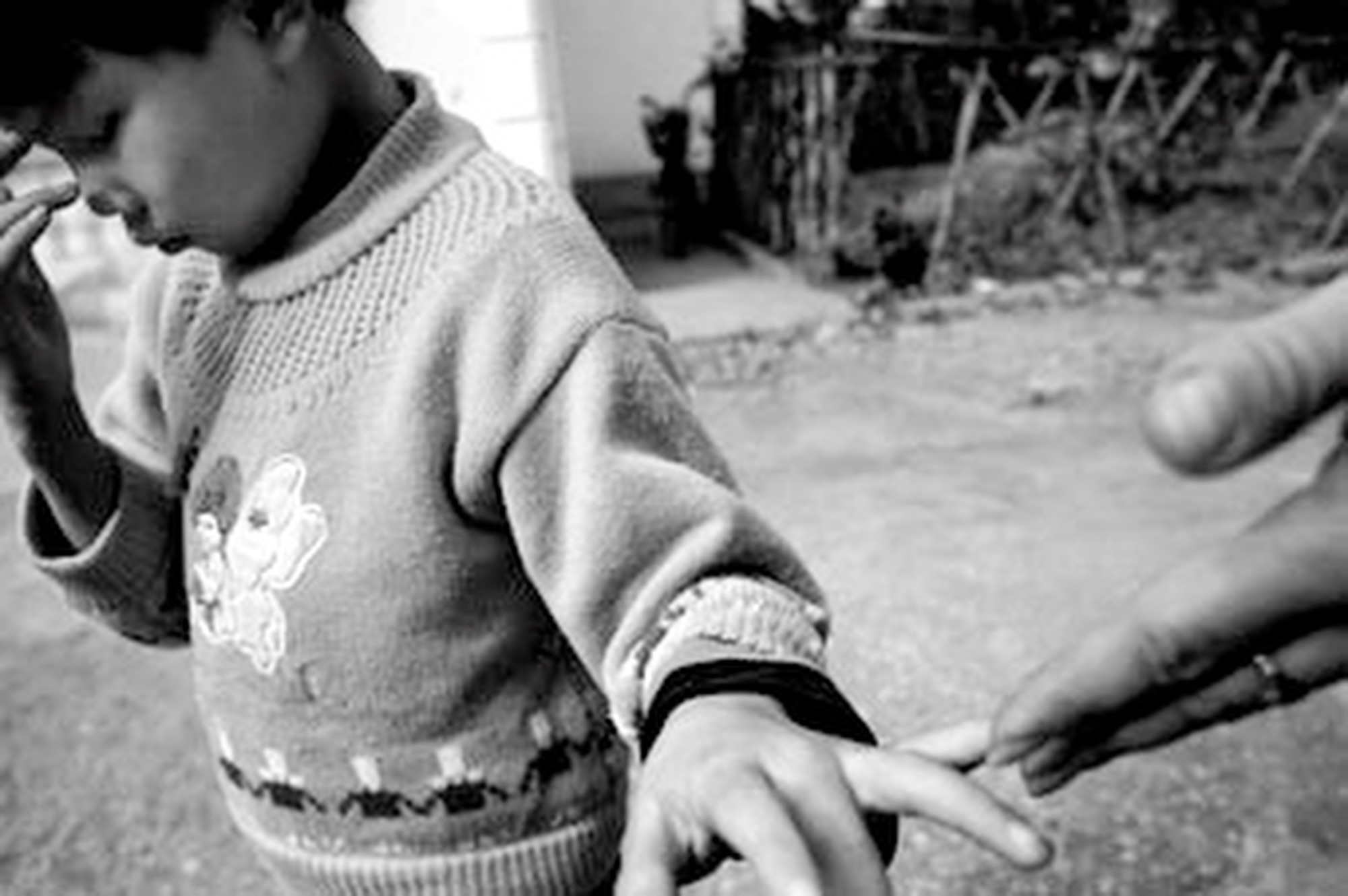
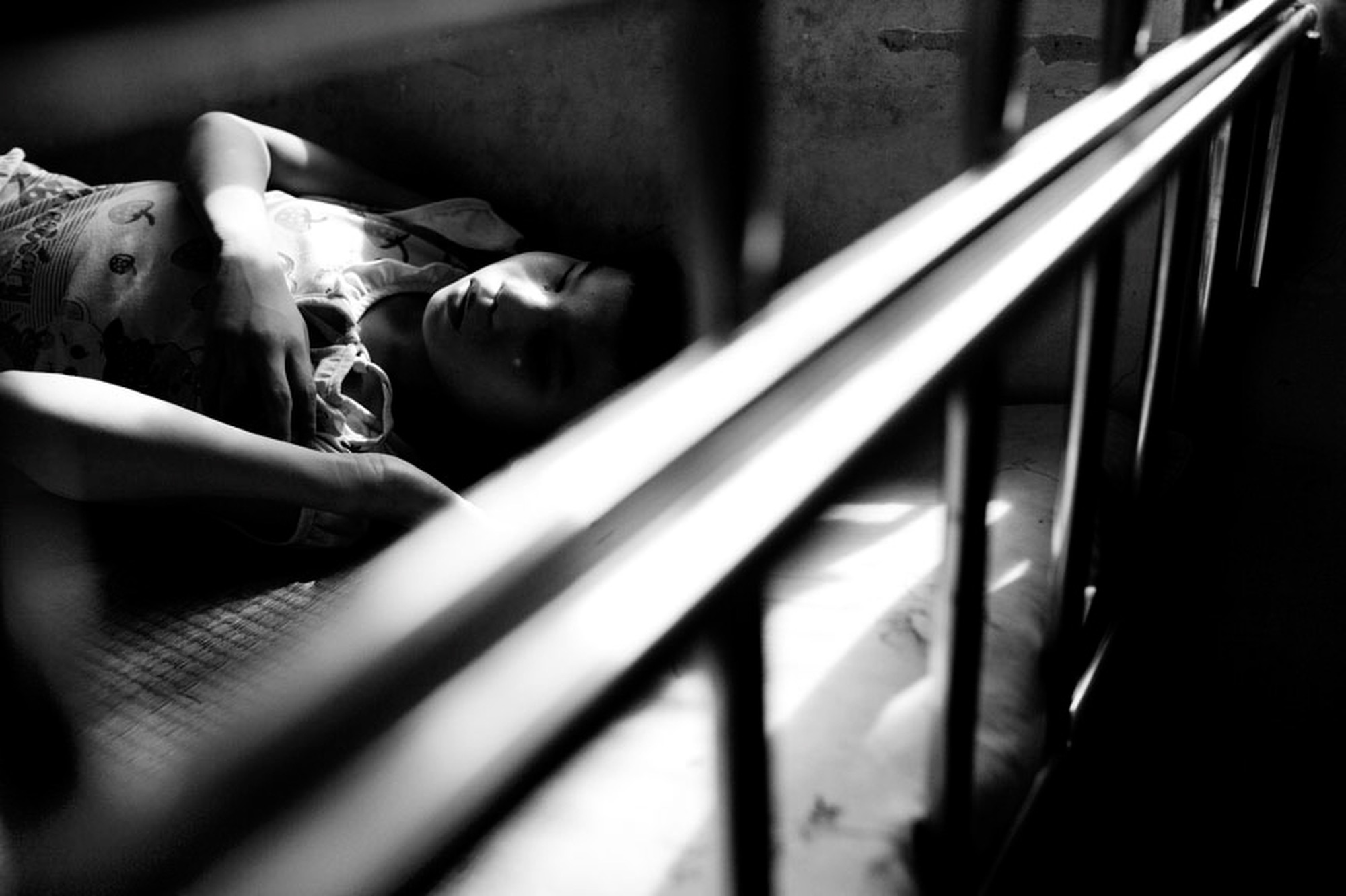
That’s when I heard the humming beneath a staircase in one of the dormitories. I followed the sound and found Nu. She was about fourteen at the time. Autistic, blind, partially deaf, and non-verbal. Something about her isolation stopped me. I decided to tell the story of the legacy of war through her daily life.
I spent the week documenting her routine. She was moved from place to place in the dormitory throughout the day, often left alone for long stretches, fed at mealtimes, and largely unnoticed in between. Through conversations with staff and villagers, I learned more about her family history. Her grandfather had fought in the American War and had been exposed to Agent Orange. Her father was born with cognitive impairments believed to be linked to that exposure. While science is still studying the exact mechanisms of generational impact, the increased health risks in families affected by dioxin are well documented. Nu was born into that reality.
Her parents separated and remarried, and within the rural culture at the time, children from previous marriages were often left behind. Nu was placed at the center with the expectation that she would stay five years, learn a trade, and return home. But Nu would never learn a trade.
When plans were made for her to return to her grandparents, Thuy and I visited their home during a Lunar New Year holiday. It was immediately clear they didn’t have the financial means, physical ability, or support system to care for her. Leaving her there felt irresponsible.
We worked together to convince the center to allow Nu to stay indefinitely. We agreed to cover her annual fees so she could remain somewhere she would receive meals, hygiene, medical care, and stability. We organized a small fundraiser at a friend’s bar and held an exhibition of Nu’s story alongside more accessible prints of Vietnam. Friends came. Parents from Thuy’s school came. People contributed what they could. It wasn’t dramatic, but it mattered.
From that point on, Thuy and I were permanently linked through Nu. A twenty-eight-year-old American photographer and a middle-aged Vietnamese schoolteacher, connected by a responsibility neither of us had planned for.
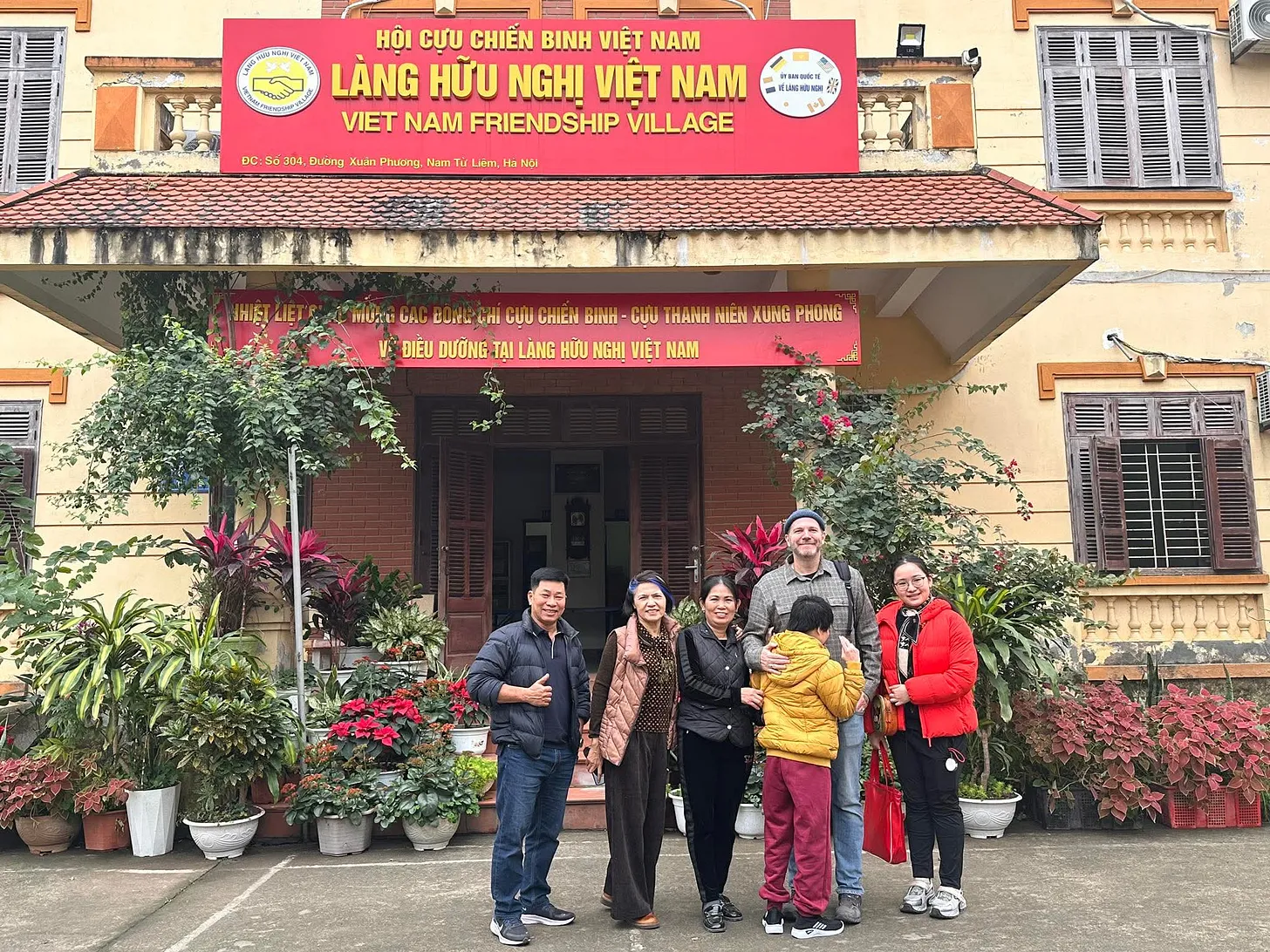
Yesterday, we made our annual Lunar New Year trip to bring Nu back to her village for the holiday. We met with the village director, made our yearly payment, checked in with her caretakers, and talked about how she was doing. It marked nearly twenty years of returning, year after year. Each time, Thuy brings one or two of her students along and uses the trip to teach them about volunteering and about the parts of our history that still shape the present.
I started my photography journey discouraged by the limits of media, but never by the power of photography itself. You never know where a project will lead you, or how long it will stay with you. Humanity can be careless and cruel, but it can also be generous and deeply human.
We love you, Nu.
See you next year.
To learn more and donate to the Friendship Village please visit.
https://www.vietnamfriendship.org