
My Unwritten Rules of Photography
Over the years, I’ve developed a set of rules I follow on nearly every assignment. They’re not technical settings or rigid formulas, but practical guidelines that help me stay consistent, make better decisions, and produce stronger work under real-world conditions.
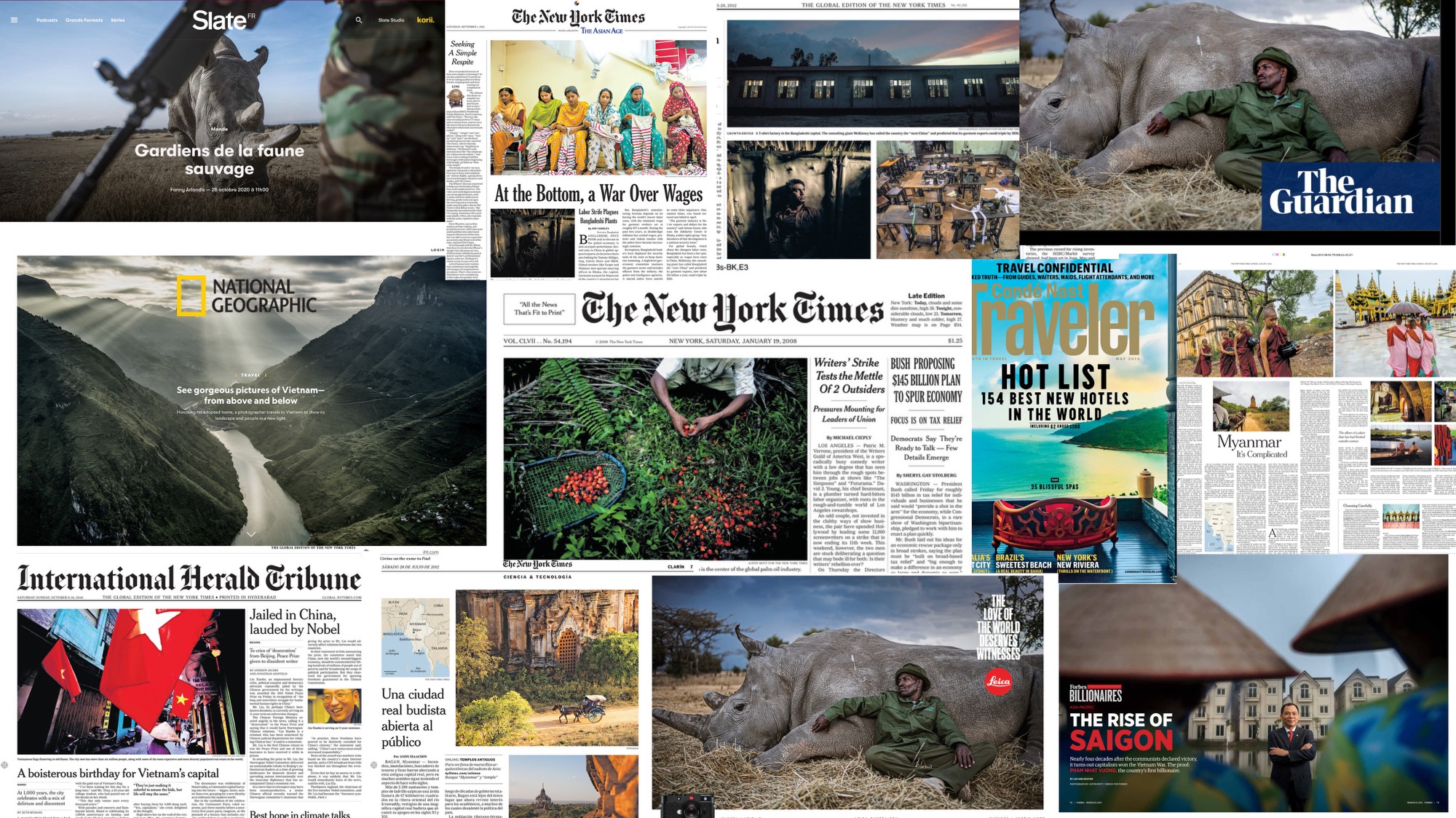
I recently got back from an assignment in Ho Chi Minh City for The New York Times, shooting a travel story. I can’t share the images yet, but I’ll post them soon and may do a full breakdown later.
On the flight home, while editing, I started thinking about something I don’t usually write down or talk about. The set of unwritten rules I follow on almost every assignment.
These aren’t technical tips or camera settings. They’re the things that help me stay consistent, make better decisions, and do the job properly.
Here are a few of them.
1. Prepare properly
Preparation matters more than people think.
Before a shoot, I try to understand the subject, the location, and what could go wrong. Not everything can be controlled, but having a baseline gives you options when things don’t go as planned.
You don’t need a perfect plan, but you do need awareness.
2. Build a real connection
If you’re photographing people, this is everything.
You can have the best light and composition in the world, but if there’s no connection, the image falls flat. I try to engage with people in a direct and respectful way. No tricks, no fake energy.
People can tell when you’re genuine. And when they trust you, the work gets better.
3. Stay flexible
Things change. Constantly.
Weather shifts, light disappears, plans fall apart. That’s just part of the job. If you’re too attached to one idea, you miss what’s actually happening in front of you.
Some of the best images come from moments you didn’t plan for. You just have to be ready to recognize them.
4. Don’t make it about you
You’re there to observe and document, not to take over.
The more invisible you can be, the more honest the moments become. This doesn’t mean you don’t direct when needed, but you stay aware of your role.
You’re there to tell the story, not be the center of it.
5. Respect the subject
Photography carries weight, whether people realize it or not.
How you represent someone matters. I try to approach every subject with respect and awareness of context. Not everything needs to be shown, and not everything should be pushed.
You’re not just taking photos. You’re shaping how something is seen.
6. Keep learning
Every assignment teaches you something, whether you like it or not.
Some shoots go well, some don’t. Either way, there’s always something to take from it. I try to look at the work honestly and figure out what could be better next time.
That process never really stops.
Closing
These aren’t rules I wrote down early on. They’ve developed over time through assignments, mistakes, and experience.
They’re not fixed either. They evolve as the work evolves.
But they’ve helped me stay grounded, especially in situations where things are moving fast and expectations are high.
If you’re working on improving your photography, focus less on collecting information and more on how you approach the work. That’s usually where the real progress happens.