
Leica SL3-P - A Pro Photographer Thinking Out Loud (Not A Review)
Jun 26, 2026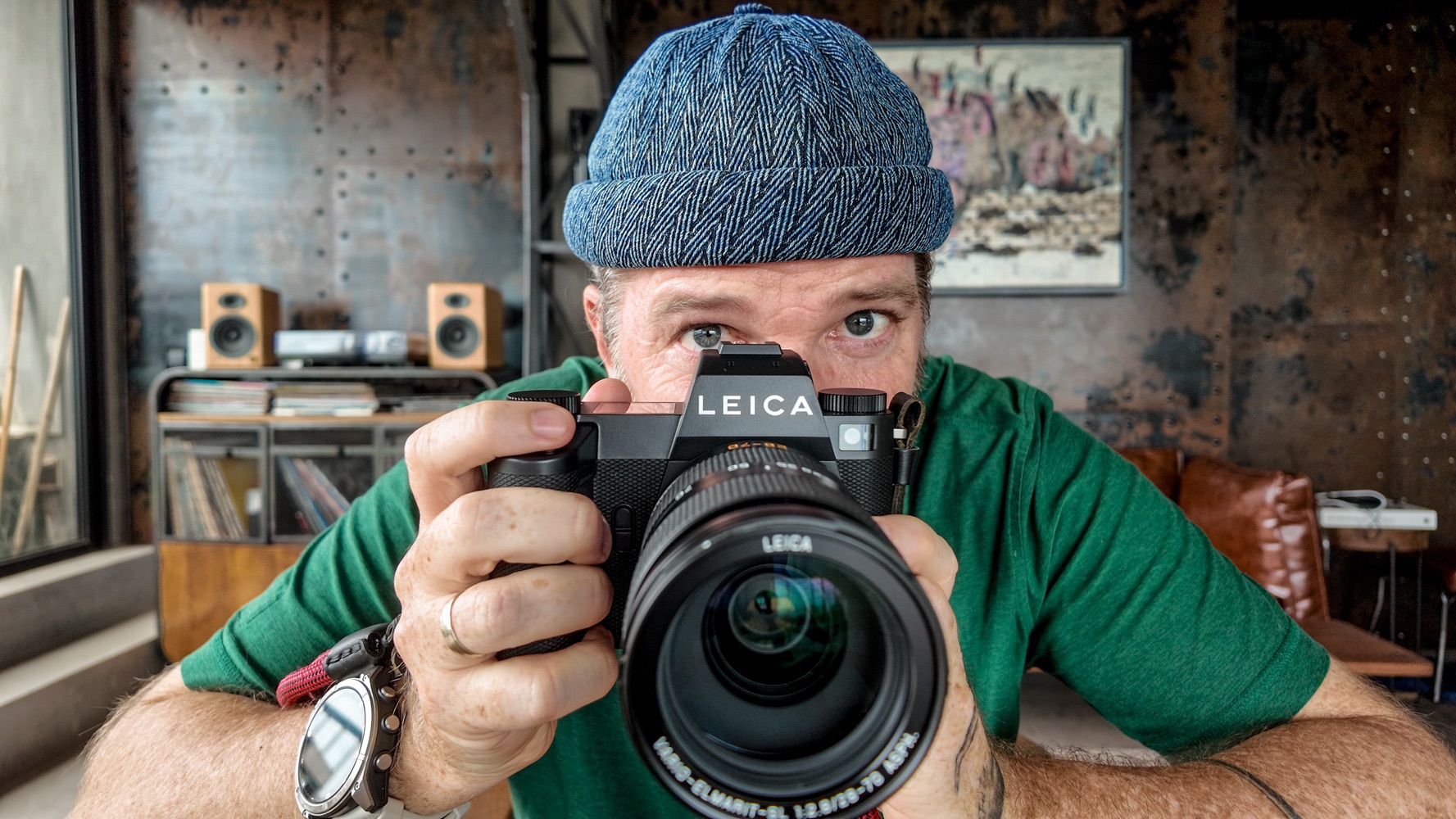
I ditched Leica's SL system last year. Then they loaned me the SL3-P, and one rare client has me reconsidering everything.
I have a love hate relationship with Leica's SL system, and I am not going to pretend otherwise. Last year I ditched the system entirely and I said so on camera. Then Leica went and loaned me the new SL3-P for a couple of days here in Vietnam, and now I am sitting here thinking out loud about whether it earns its way back into my paid work. So here we go again.
Before anything else, a disclaimer. This is not a side by side technical breakdown against every other camera, or even against the SL3 and SL3S. I will touch the specs, but plenty of people review specs better than I do, and you should go to them first. Come to me after for the alternative take, the working pro point of view, the honest read on whether a camera belongs in a business like mine. That is the only angle I am useful for.
A little history, because it matters
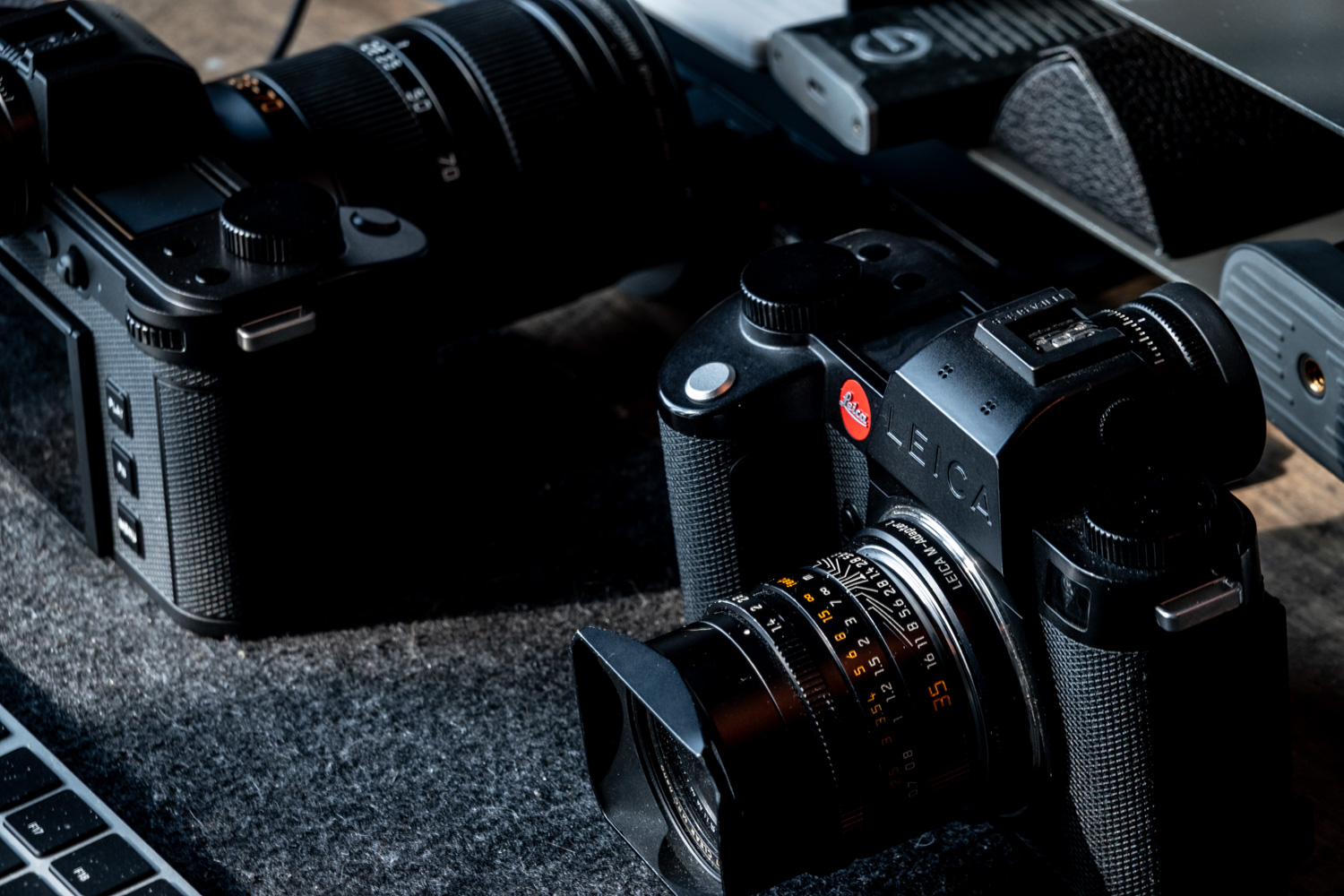
If you follow my work you know I am not a lover without caution. I have gushed about cameras before, the M10D especially. I got burned by my first M11 and I still kept it, and I am slowly falling back in love with it. And the SL2 failed me on a hotel shoot in Japan last year. One real job, settings changing without my input, one failure, and I was done.
That stings more than it sounds, because before that trip I genuinely loved the SL2S. It was the perfect complement to my M10D. The M10D was for personal documentary work and the editorial jobs where I could slow down and did not need autofocus. The SL2S was my backup, the camera I reached for when I needed autofocus, a viewfinder, that big bright EVF, and something that felt solid in the hands.
For my commercial business at Mott Visuals, though, the story is different. We shoot a lot of hybrid work, video first and photography second, and for that world the Sony kit is simply the right tool. I do not love using it. The navigation still drives me insane. But it is reliable, affordable, versatile, and I cannot argue with the results.
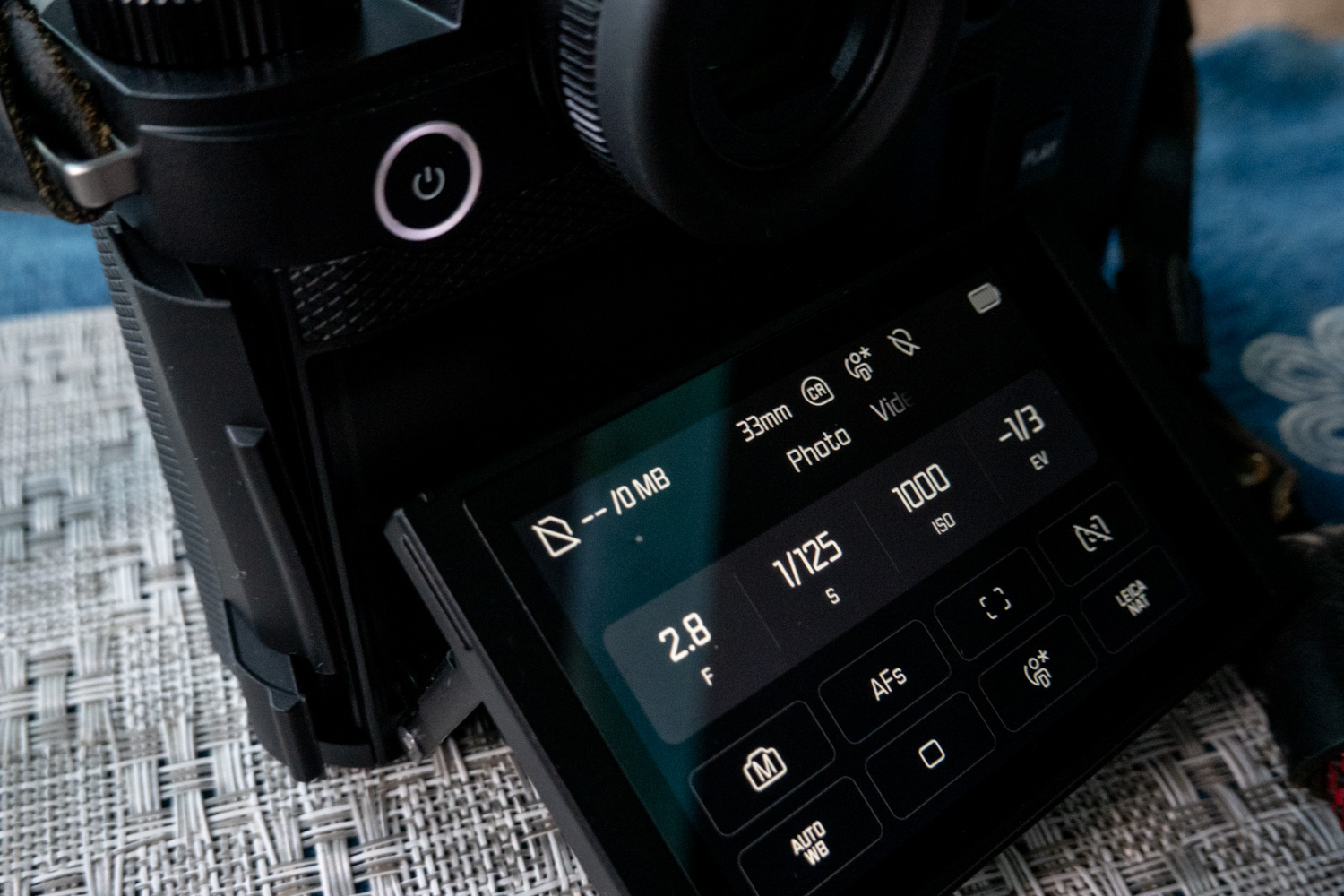
So why am I even looking at the SL3-P
Two reasons, and they are specific to me.
One, I still love the M system and I have nothing to pair it with now.
Two, I have a client I cannot tell you about, an NDA situation, who genuinely loves the Leica look and the M lenses in particular. It is incredible work and it is frequent, and the budget exists to justify a serious camera investment. I want to be clear that this is not normal. Getting a lucrative client who can actually see the difference between Leica glass and everything else, and who pays enough to justify the purchase, is the rarest of the rare. It is not the norm for me and it is not the norm for most photographers.
I recently shot a job for that client, commercial work shot in a very documentary way, all on the M11 and M lenses, and they loved the results. But there will be occasions where I need autofocus and a reliable backup body, and a second M does not solve that. That is where the SL line makes sense for me, kind of. This is honestly how I have always wanted to build my Leica kit. Use an M when I can, use an SL when I have to.
Where the SL3-P fits in the lineup
I told you up top that I am not your spec guy, and I meant it. Go watch the people who live inside the numbers first, then come back here for the read on what those numbers actually mean when you shoot for a living. That said, you cannot talk about this camera honestly without seeing where it sits next to its siblings, so here is the lineup laid out plainly.
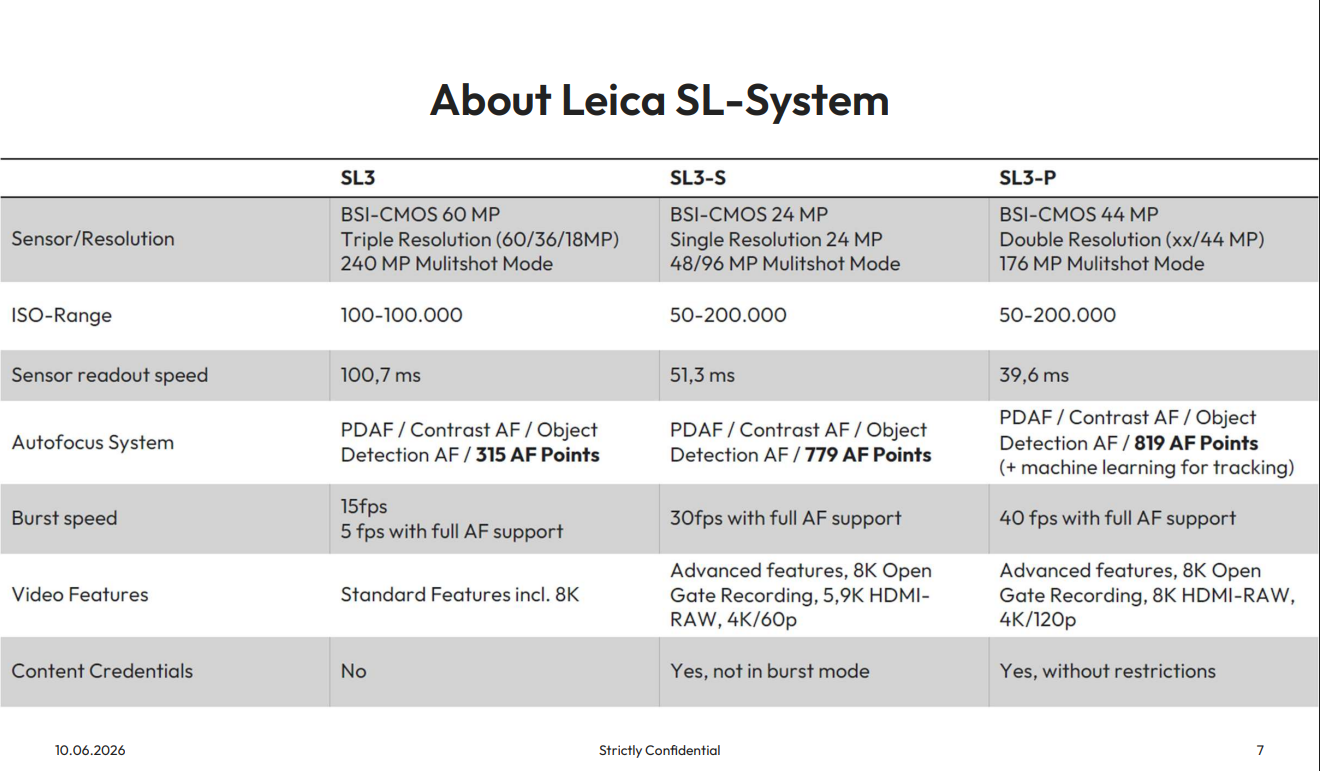
The short version. The SL3 is the 60 megapixel flagship, the studio, landscape, and big commercial body. The SL3-S drops to 24 megapixels and leans editorial and photojournalist, built for low light and speed. The SL3-P sits in the middle at 44 megapixels, and on paper it might be the most complete SL for the hybrid commercial and editorial work I do.
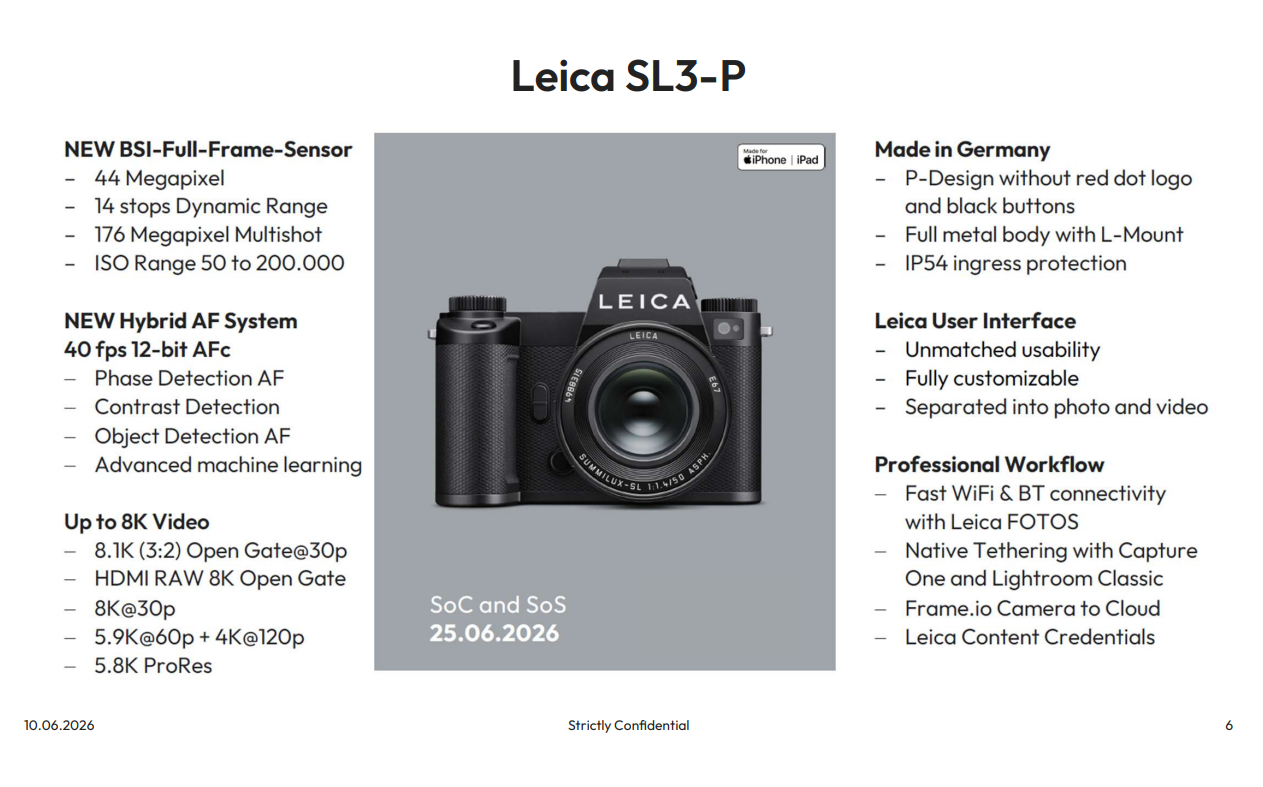
Here are the few numbers that actually move the needle for me. Everything else is noise once you are working.
Sensor readout speed. The SL3-P clears its sensor in 39.6 milliseconds, against 51.3 on the SL3-S and a slow 100.7 on the original SL3. Faster readout means less rolling shutter and a camera that feels like it is keeping up with you instead of lagging a step behind. For the moving, documentary style work I bring to my Leica jobs, that is the kind of thing you feel more than you read.
Autofocus and speed. 819 AF points with machine learning tracking, and 40 frames a second with full autofocus support. People say the system was pulled from Panasonic, and wherever it came from, it is a real jump over what came before. I am not a high speed shooter, but a backup body that actually grabs focus when I need it is the entire reason I would add an SL to my M kit.
Content credentials without restrictions. This is the one I keep circling back to. The original SL3 does not have it, the SL3-S has it but not in burst mode, and the SL3-P runs it with no restrictions. More on why that matters to my business below.
The rest of the headline stuff is there too. 44 megapixels, 14 stops of dynamic range, a 176 megapixel multishot mode, ISO 50 to 200,000, the clean P design with no red dot and blacked out buttons, IP54 weather sealing, and a full metal L mount body made in Germany.
One real disappointment though. No internal storage. You get dual card slots and that fast readout, but no internal storage, and I genuinely thought we were all moving that direction. I do not like when a camera company introduces a feature and then quietly drops it from the next body. It feels like a nudge to buy the other camera too, and it bums me out.
My honest read
I had this camera for two days. Did I enjoy using it? I did. But two days is not enough time to know anything real, and any reviewer who gives you something definitive after a couple of days is full of themselves, full of you, or a little of both. The autofocus was snappy and felt like a true upgrade. The image quality was genuinely good. But specs are not reliability, and reliability is the one thing I actually care about. That Japan experience planted a seed of doubt I have not fully shaken.
Here is the part most reviews will not tell you. 24 megapixels on the SL3S is enough for almost every client I work with. It is plenty for any photographer not shooting giant ad campaigns, and plenty for many who are. The thing is, clients want higher megapixel counts even when they do not need them, so perception and future proofing matter. 44 hits a safe number without burying me in massive files, and it lets me confidently tell a client 44 megapixels and move on. With the SL2S I was always a little nervous someone would ask.
And no, I am not talking about video specs. I know it shoots 8K, I know it is more capable than I expected. I just do not shoot video on these bodies. The number of still shooters who buy a camera based on video specs they will never touch is laughable.
The money, honestly
Going by early numbers, the body is right around 7,000 dollars. Build it out the way I would, an SL 24-70, probably a 35, maybe the 90, and you are looking at a serious investment on top of that. Realistically I would be close to 12 to 15 grand, and that is only because I already own the M11, three M primes, and the 28-70. If you needed all of that from scratch, it is a giant number.
So here is where I land. I am not selling my Sony kit, because that is the kit we run at Mott Visuals, and that business is built for scale. Leica is not built for scale, at least not for most people. What I love about Leica is the simplicity. The settings make sense to me, it does not make me feel lost in a computer, I love the feel of it in my hands, and I trust my eye more when I am shooting with it. I just need to trust the camera itself.
Am I buying it
Honestly, I do not know. I really do not. If that client gives me another significant job before the end of the year, the cost justifies itself and I am most likely pulling the trigger. That client is the rarest of the rare, sees the difference in M glass the way I do, and pays enough to make it make sense. That is the truest answer I can give you, and I would rather give you that than pretend I have made up my mind.
Should you buy it
How should I know? I do not know you or your work. But here is my honest read.
If you are an amateur who dabbles in paid work and you are independently wealthy, and you value the design, the interface, the experience, and you can afford to overpay for it, then go for it. That sounds silly to most people, but I know some of you can relate, and that is okay.
If you are starting a photography business, or you are a content creator trying to build one, the Leica look almost certainly will not pay for itself. It is a risky, maybe even silly, investment at that stage.
If you are already lensed up with an M, or you have a Q, and you are liquid, and this fills a real gap when you want a flagship professional body with autofocus lenses, then yeah, it might make sense. Save some money on Sigma L mount or Panasonic glass while you are at it.
And here is the real advice. Do not just watch reviews, read the comments under them. That is where the truth lives. When I slogged off the SL2, a few people came at me like I was making it up, and I have no hate for camera companies at all. Look for consistent reviews, look for overlapping experiences in the comments. Some of that lives on YouTube, but people delete things, so go to Reddit too and give it time. To be fair, I have seen more positive feedback on the SL3 generation for app integration and overall reliability, and that matters to me.
That is the honest version. Not the hype, not the apology, just where one working photographer actually stands.
If this is the kind of straight photography talk you want more of, come find me at AskMott.com. The membership community gets real feedback and real monthly assignments, and that is where the work actually happens. Let's talk photography.
Lorem ipsum dolor sit amet, consectetur adipiscing elit. Cras sed sapien quam. Sed dapibus est id enim facilisis, at posuere turpis adipiscing. Quisque sit amet dui dui.
Stay connected with news and updates!
Join our mailing list to receive the latest news and updates from our team.
Don't worry, your information will not be shared.
We hate SPAM. We will never sell your information, for any reason.