I Knew It Felt Wrong. I Kept Shooting.
Oct 26, 2026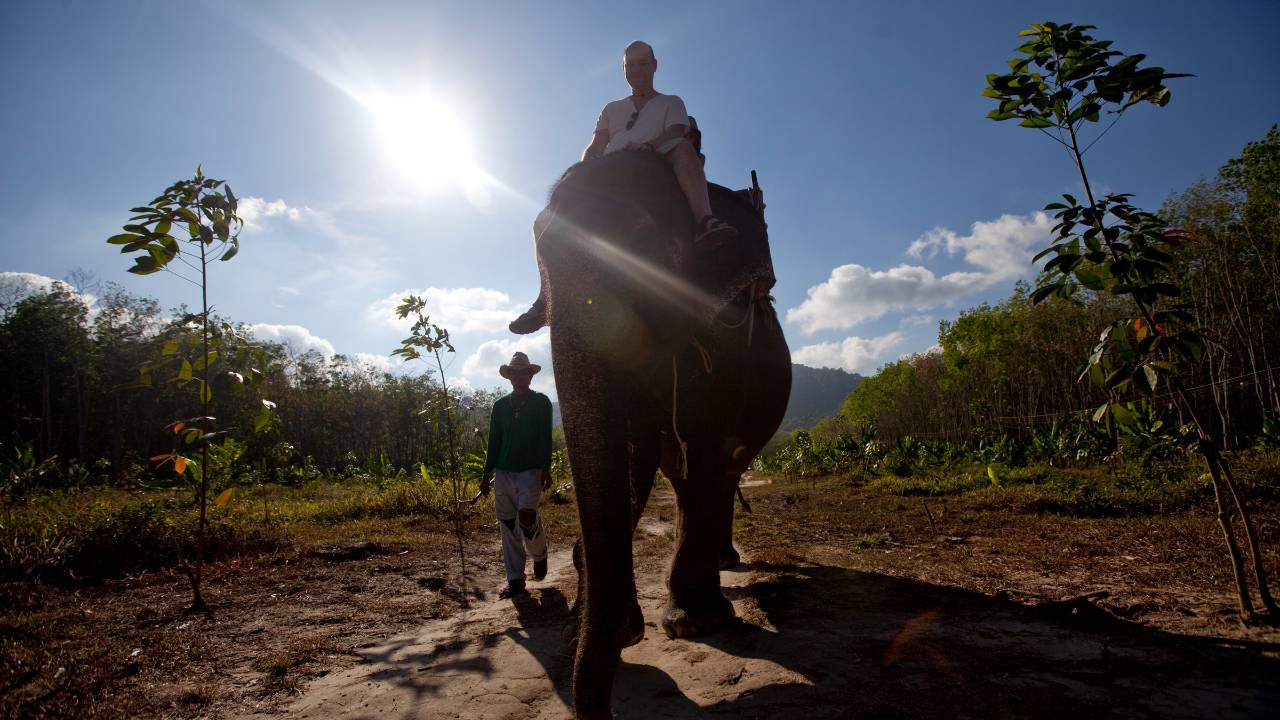
On trusting an assignment more than my own judgment, and finally facing the photographs I tried to forget.
Early in my career, assignments came in a whirlwind, mostly for the New York Times and mostly around Southeast Asia. One week I might be covering Suharto’s funeral in Indonesia, then photographing a portrait in Hanoi for Forbes, then heading to Thailand for a travel story. Most of the stories felt right. I trusted the writers and publications I worked for, and their ethics generally lined up with mine. Sometimes things happened so fast that I was getting briefed on the fly, with little time to prepare, never mind think through how I felt about the assignment.
A large portion of that work was for the Times’ “36 Hours” column. These were light travel stories, essentially what to do in a place if you only had a day and a half. Photograph this coffee shop, then the local breakfast dish, then head to a museum. The recipe was usually food, culture, nightlife, and activities. I treated them like a checklist and a treasure hunt, looking for pictures as I worked through the stops. I could almost turn off my inner thoughts about the story, which, looking back, was part of the problem.
Elephant tourism in Phuket and Laos
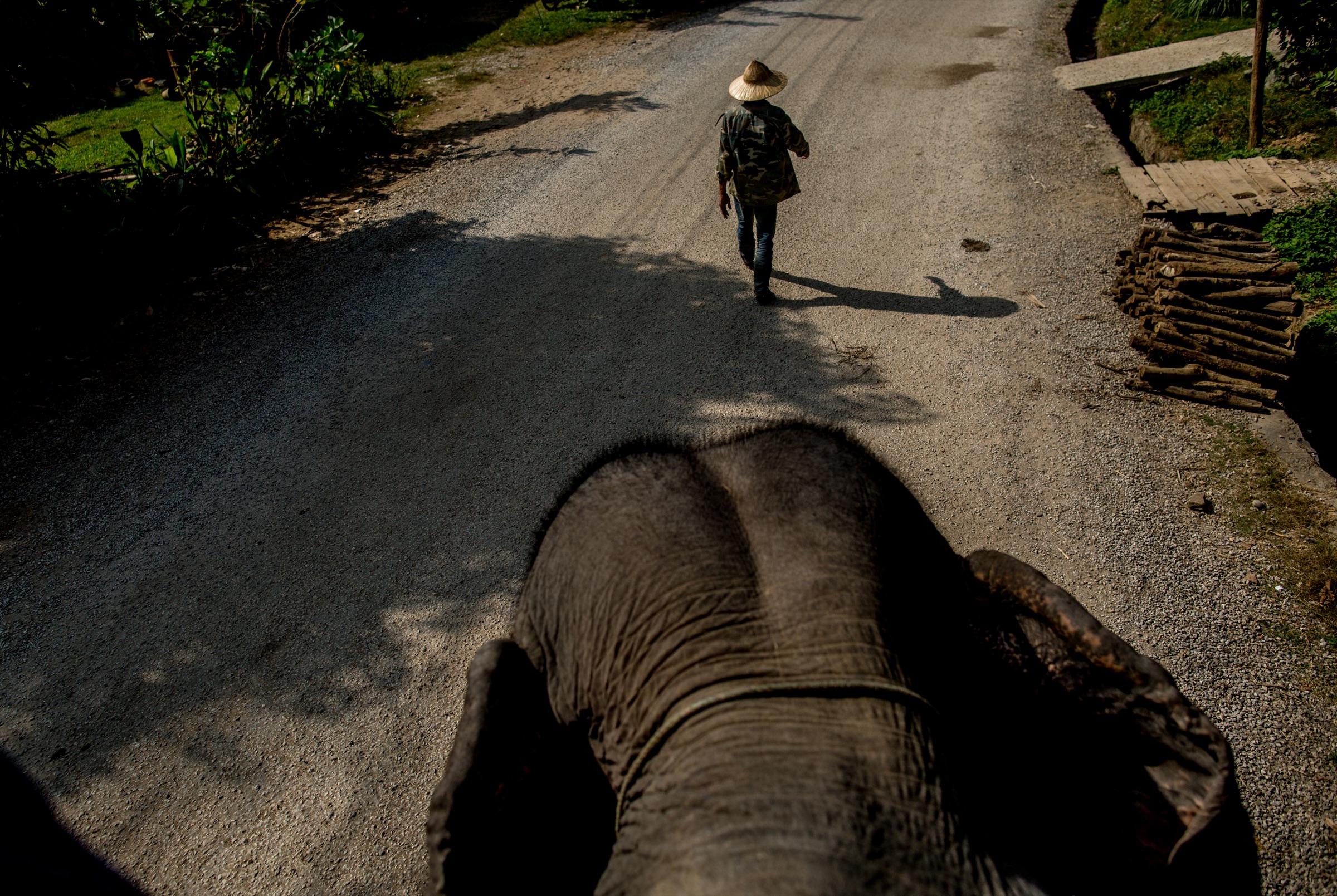
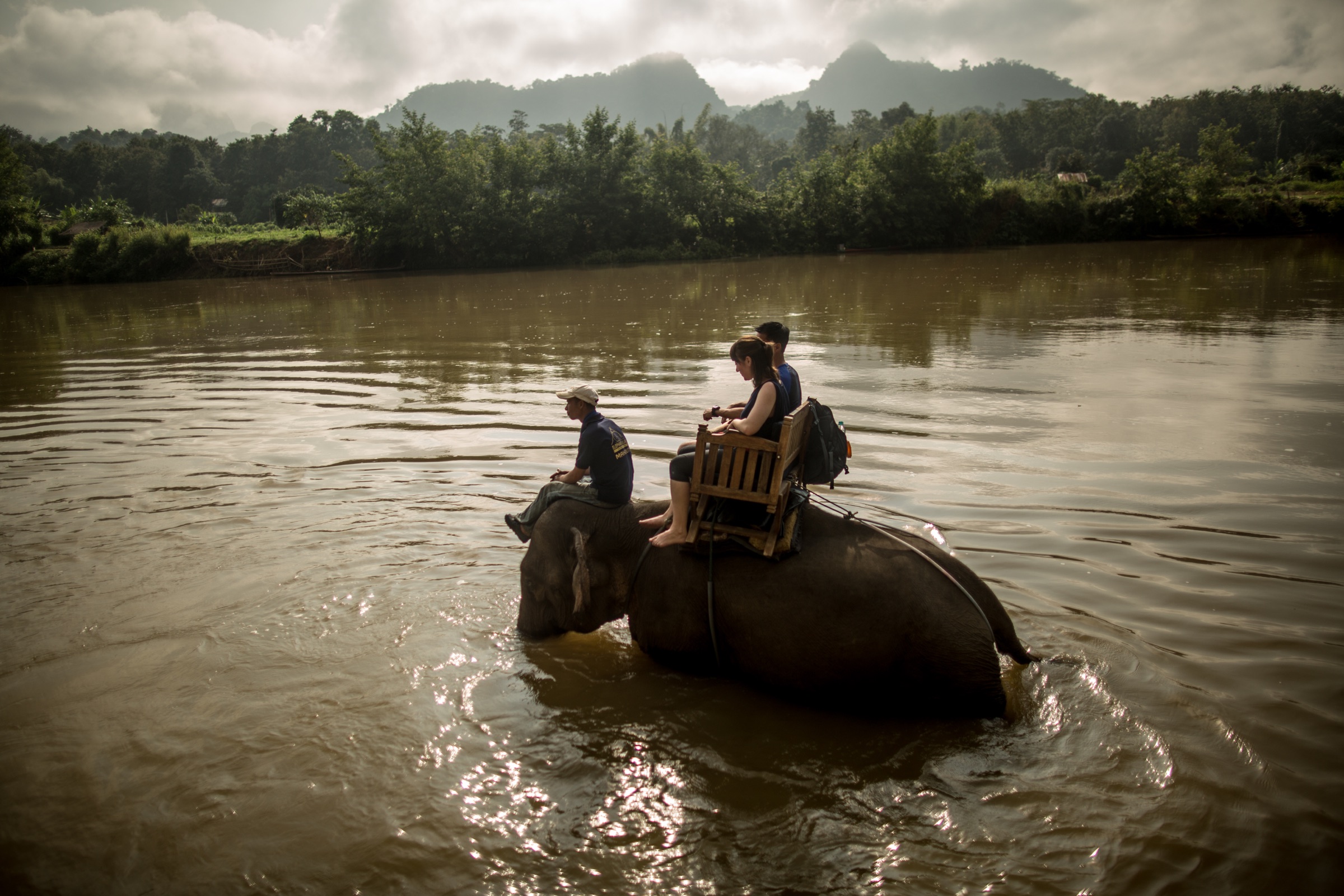
In 2010, I went to Phuket with that list in hand. One stop was an elephant sanctuary, or at least that was how it had been presented to me. It wasn’t what I’d imagined. Elephants were carrying tourists on their backs, following a route into the river. To get photographs of the other tourists, I rode an elephant too. I didn’t like it. I knew that while I was doing it, but I carried on.
Elephants are visually compelling, especially after you’ve spent much of an assignment photographing food, museums, and coffee. I knew my editor would be happy with the pictures. The visit was about two hours out of a two-day shoot, and I let myself concentrate on getting the photographs. I was making them for a travel story, where they could make a reader want to ride an elephant too. That deserved more thought than I gave it.
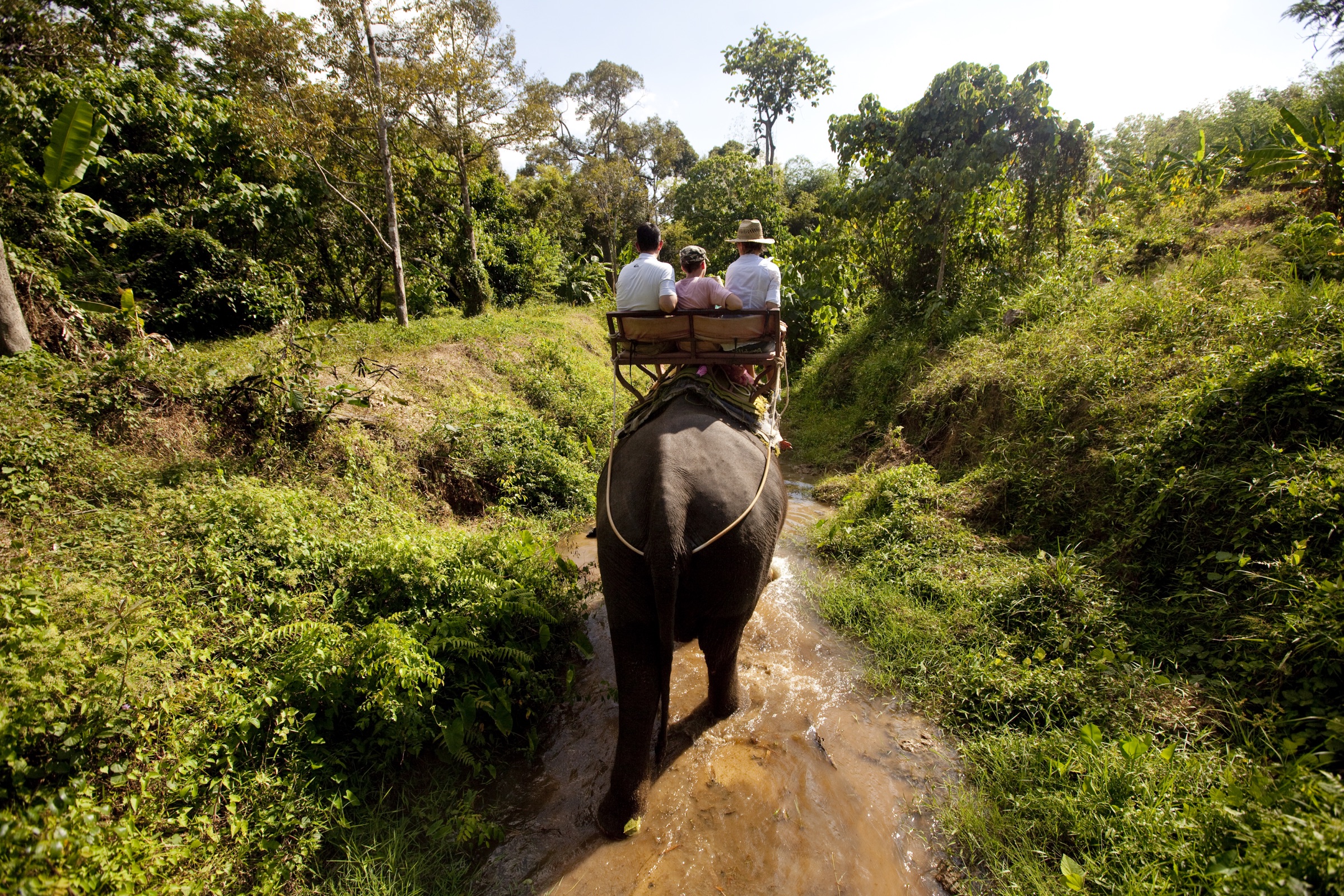
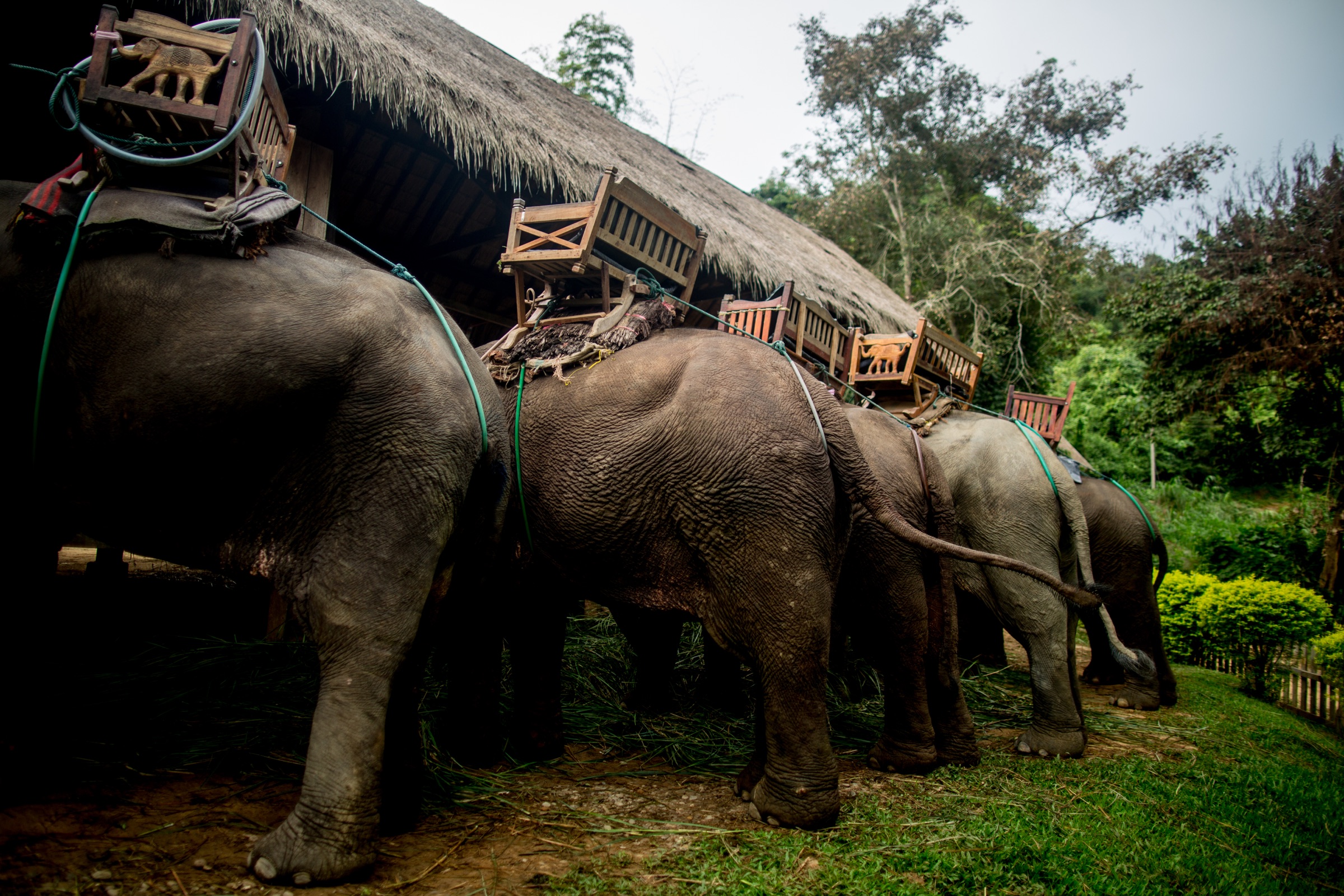
Five years later, on another assignment for the Times in Laos, I did it again. Another place described as a sanctuary, more tourists riding elephants, and the same feeling that something was wrong. I felt morally dirty afterward. It’s embarrassing to write about the first assignment, but the second is harder. I’d already had this experience and felt this way, and I still went along with it.
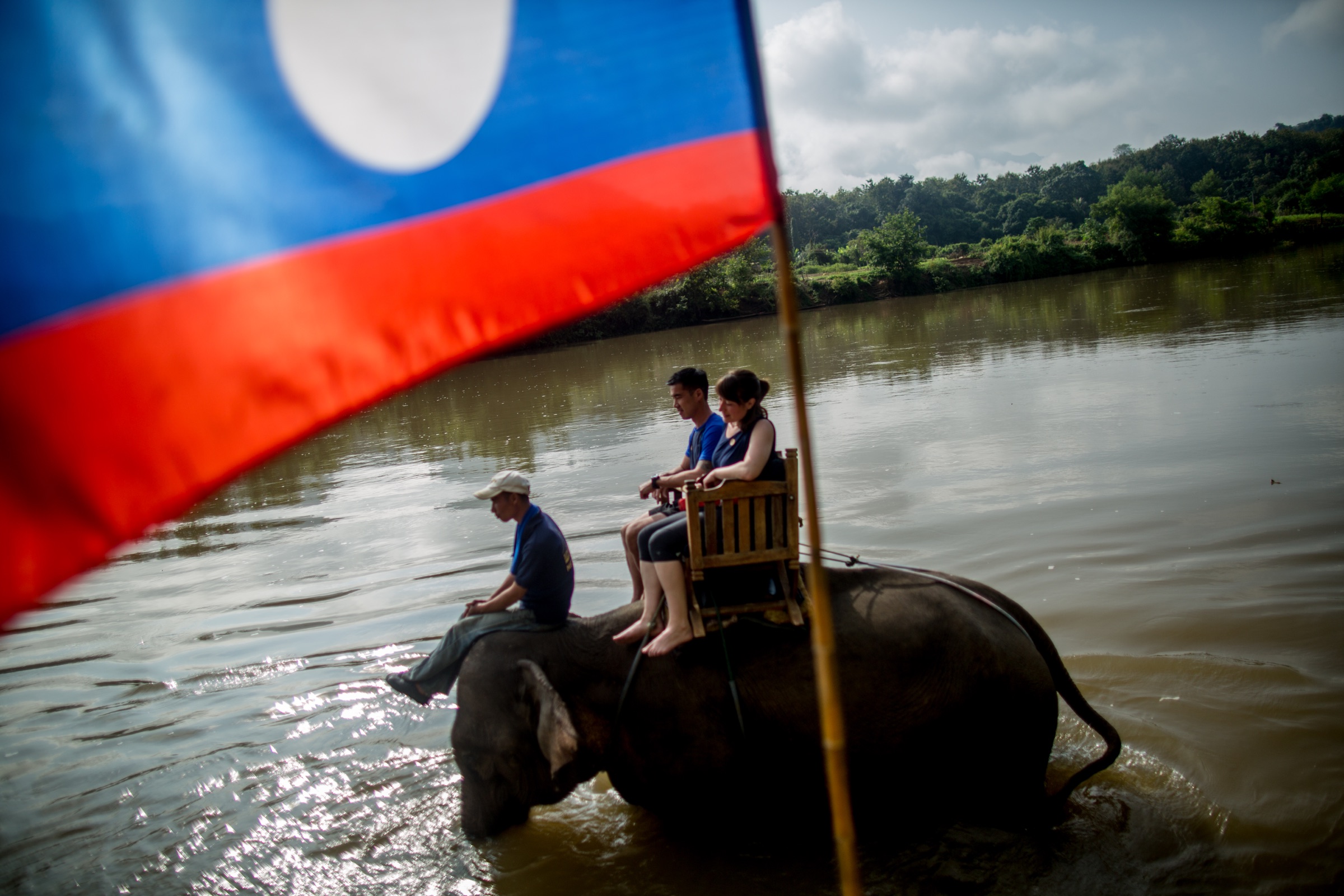
I told myself that tourism helped keep these places running and allowed them to care for the elephants. I also trusted that a publication like the New York Times would have considered these things. I had some excellent editors there, and having worked for many publications, I held its standards in very high regard. That’s why naming the Times matters to this story: I deferred to an institution I respected instead of trusting my own judgment. Criticism of elephant riding wasn’t something I was hearing as widely then, but I shouldn’t have needed the public conversation to catch up with a feeling I already had. I should have raised it with my editor. I didn’t, so I don’t know what would have happened.
Photography ethics and speaking up
One thing I’ve thought about since is how much journalism teaches us to question others, and how readily we can accept things within our own industry. I had formal ethics training. I knew there were questions we were supposed to ask. But as a freelance photographer, I often felt pretty low on the totem pole compared with staff writers and editors. I remember bringing up a small concern about a travel story involving wine bars and being ignored by the editor. I had plenty of experiences that left me feeling similarly unheard.
Editors were busy, and the time they gave me was often limited. I didn’t want to be a nuisance. I never had an editor explicitly invite me to speak up if something a writer did or wrote about felt wrong. I think publications should make that invitation clear, provide practical ethics training that includes freelancers, and have someone accessible who will take those concerns seriously. We ought to hold ourselves to an even higher standard when we’re asking readers to trust our work. I also have to accept that, on these two assignments, I stayed quiet before anyone had a chance to respond.
Finding a better use for the photographs
For years, I kept these photographs out of the work I shared and tried to put the assignments out of my mind. I was embarrassed by them and didn’t want to revisit the decisions behind them. It was easier to concentrate on work I felt good about. Leaving those pictures alone didn’t accomplish much beyond saving me from having to look at them.
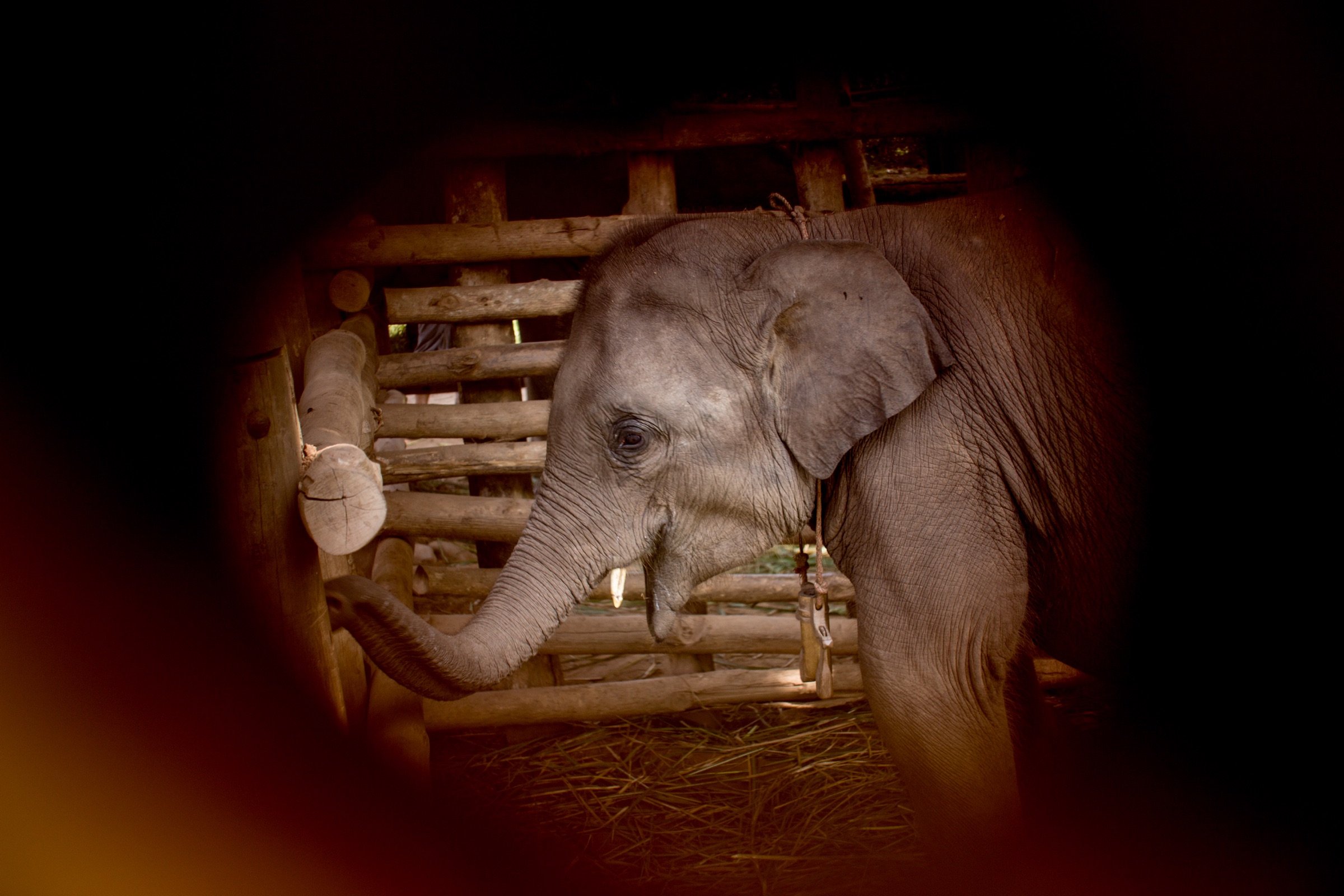
Since those assignments, I’ve put much of my own time and resources into Kindred Guardians, my personal project documenting people around the world who dedicate their lives to helping animals. I fund that work myself and donate photographs to the people and organizations involved. I’ve also photographed a program in Nairobi helping orphaned elephants return to the wild. This work means a great deal to me, and it makes those earlier decisions especially uncomfortable to look back on.
I already donate animal photographs to We Animals, an organization whose work I admire. Thinking about what else I could contribute brought me back to these pictures. I’ve decided to donate them too, and to share them with another organization working to end elephant riding in Thailand. Maybe there is some partial redemption in finding a better use for them. I can’t correct what I did, but the images could be useful to people trying to stop the activity I helped present as a travel experience.
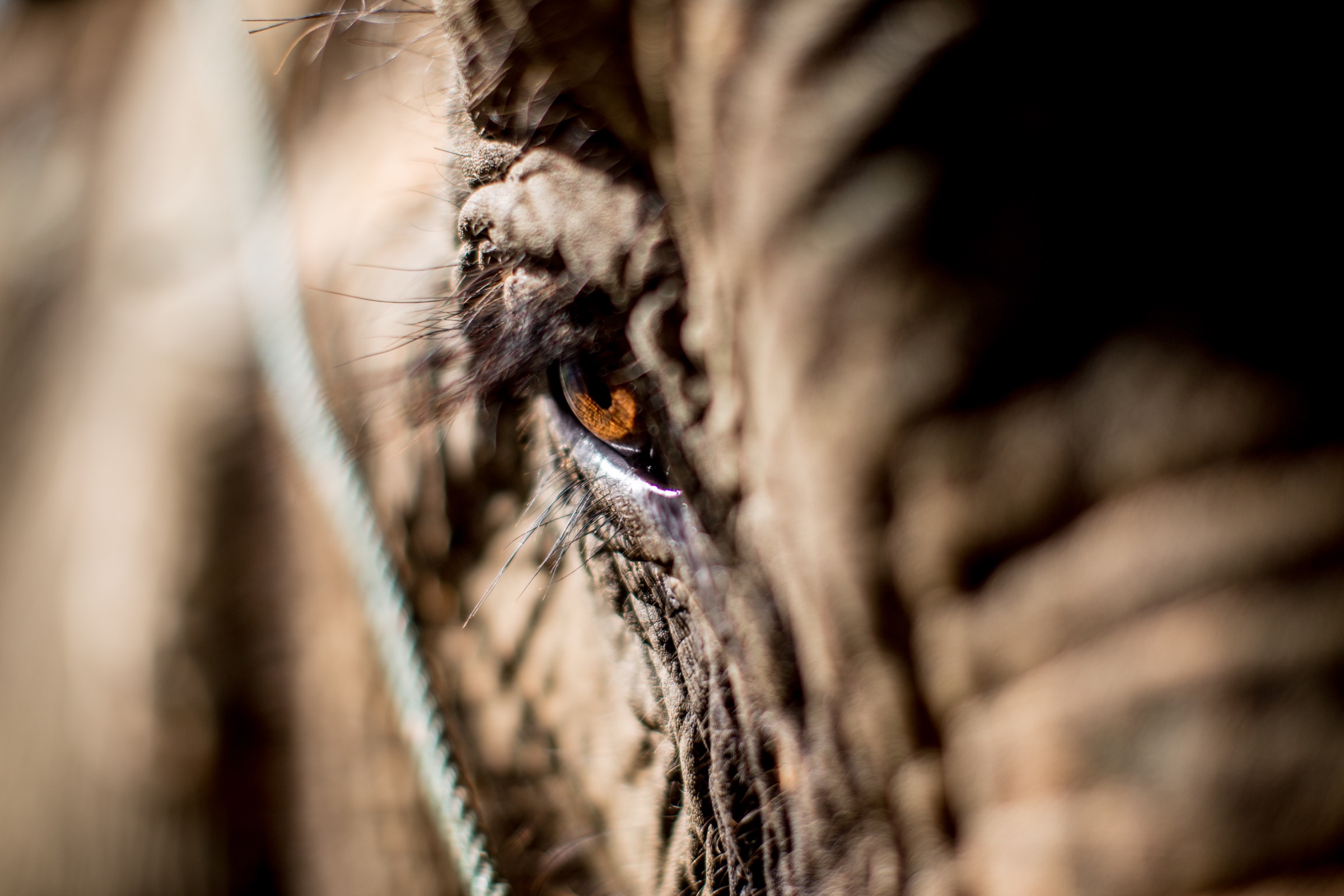
I think this matters whether you’re working for a publication, shooting a personal project, or posting directly to social media. I had training and editors to contact, and I still managed to ignore my judgment. It makes me wonder how much help we give photographers in thinking through these decisions, alongside all the attention we give to making better pictures.
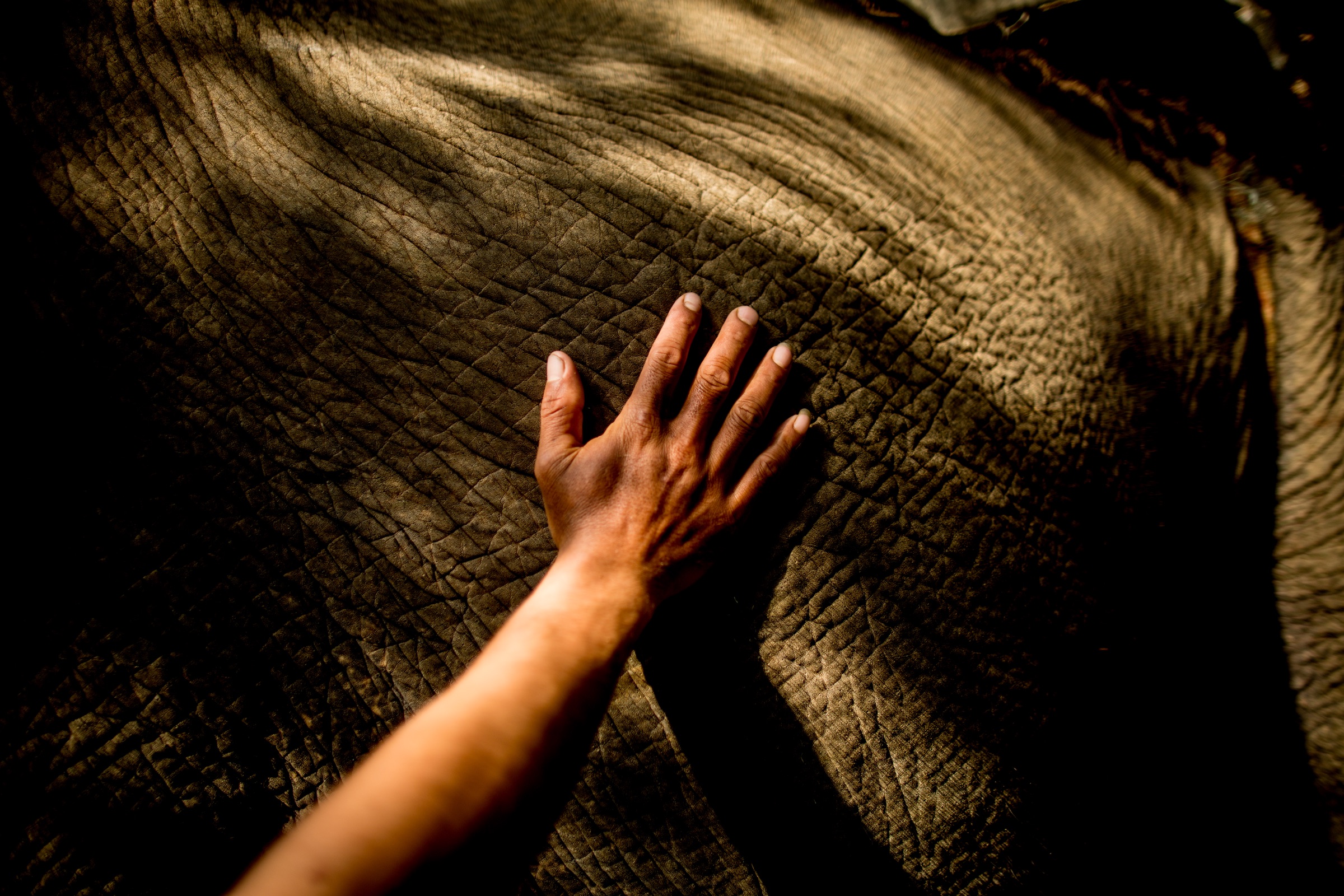
I’m sharing these photographs because I want to be honest about the decisions behind them, and because someone else might recognize that same uneasy feeling in their own work. If you do, give yourself time to understand it. Ask questions of the people who sent you there and of your own reasons for continuing. Your gut won’t settle every ethical issue, but discomfort deserves more attention than I gave it.
Photographers interested in contributing to We Animals can submit their work for consideration.
Lorem ipsum dolor sit amet, consectetur adipiscing elit. Cras sed sapien quam. Sed dapibus est id enim facilisis, at posuere turpis adipiscing. Quisque sit amet dui dui.
Stay connected with news and updates!
Join our mailing list to receive the latest news and updates from our team.
Don't worry, your information will not be shared.
We hate SPAM. We will never sell your information, for any reason.