What Learning Golf Is Teaching Me About Photography
Nov 03, 2026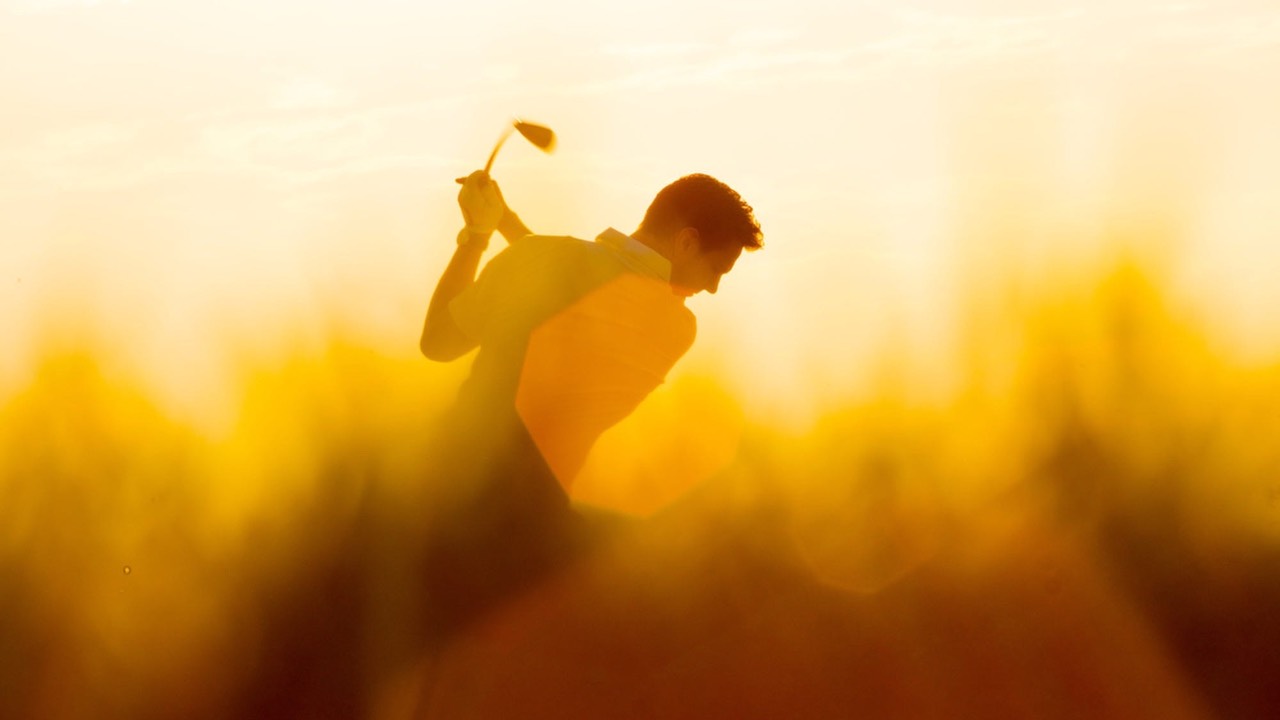
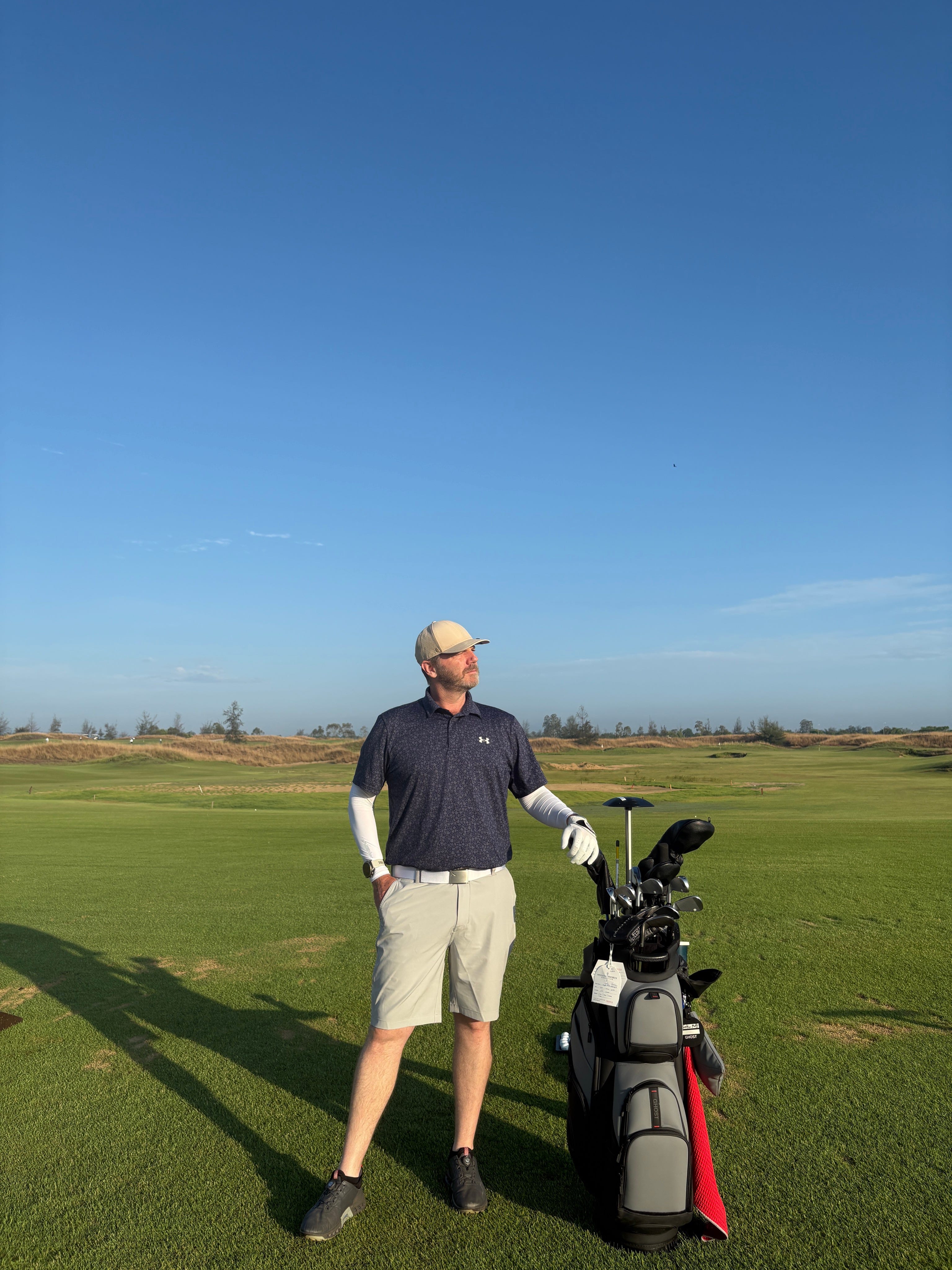
I practice golf every day to be mediocre. It’s reminding me of the advice I give photographers, and how hard it is to follow.
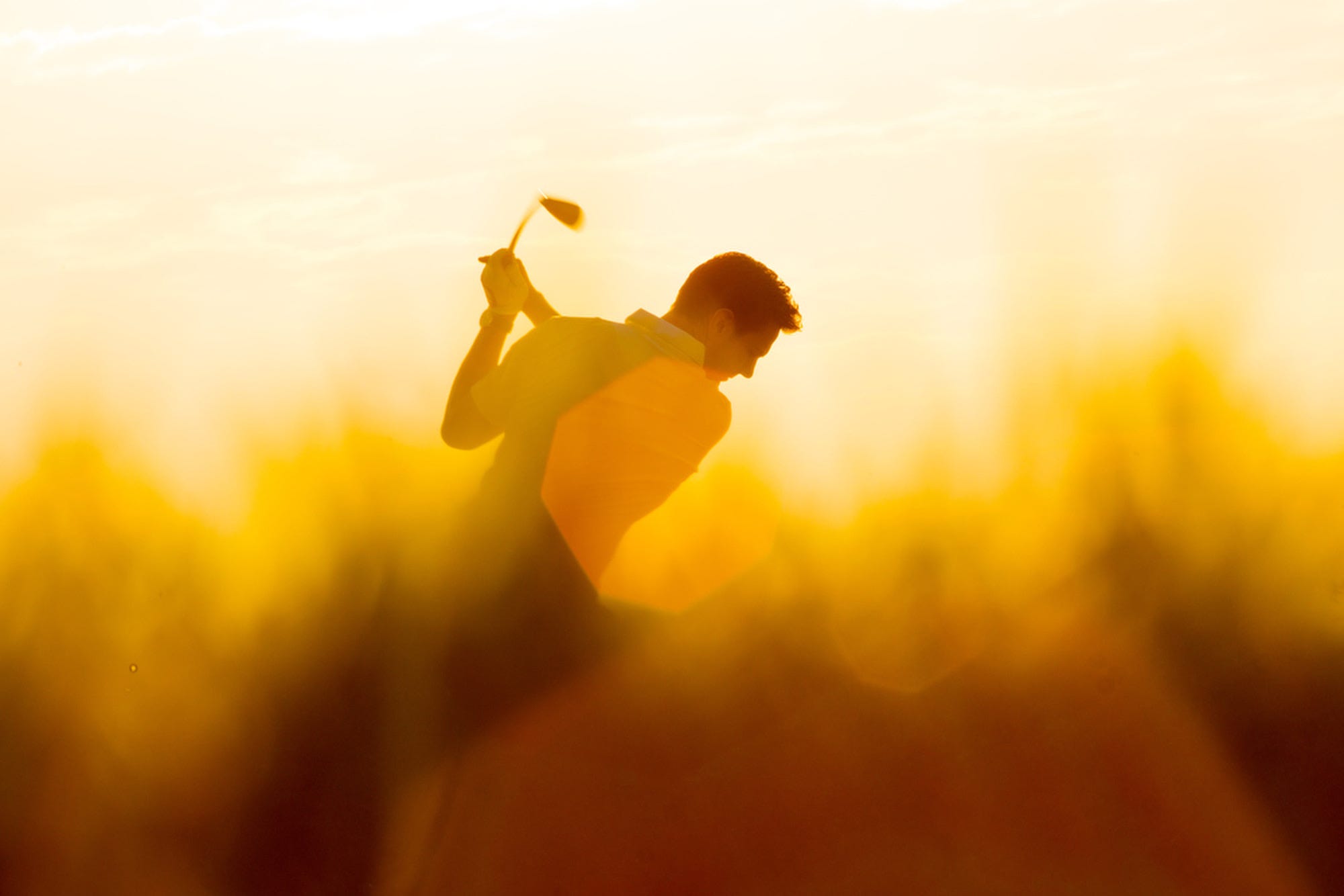
I teach photography through my 1:1 classes and workshops, and I love it. I also love being a student. I’m about a year into learning golf with a coach, trying to convince my body to do what my brain thinks it’s telling it to do.
I can understand exactly what my coach is saying and still struggle to do it five minutes later. That’s a useful reminder when I’m teaching someone something that feels obvious to me after years behind a camera.
A lot of the advice I give photography students has come back to me while learning golf. Now I’m the one who needs to follow it, which is proving harder than giving it. I wanted to share a few of those connections, starting with how we practice.
Practice With Intention
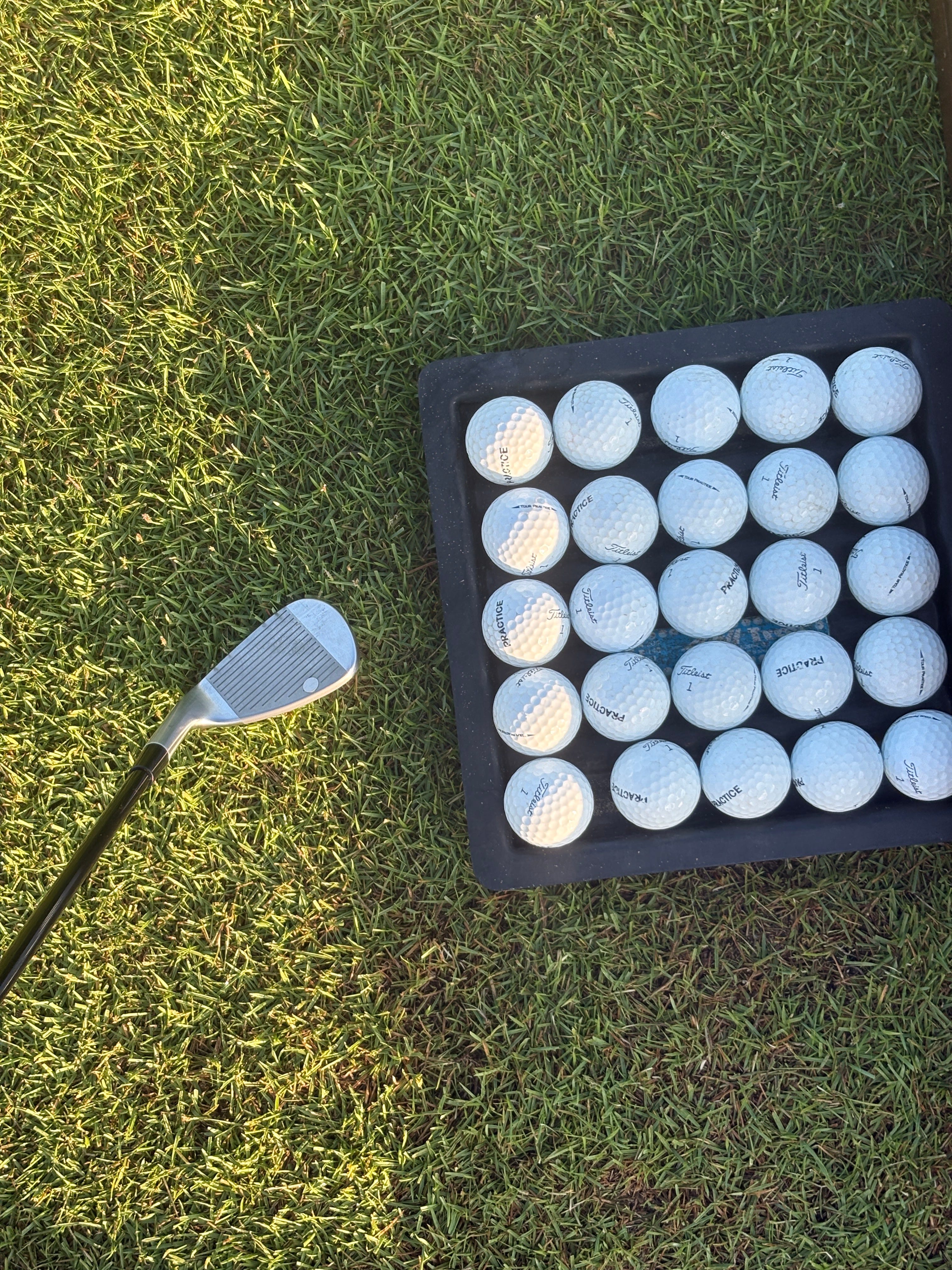
Golf instructors often talk about going to the driving range with a plan. If I show up and whack 100 balls aimlessly, I might hit a few good ones, but what have I actually worked on?
I see photographers do this all the time. They go out and shoot, sometimes for years, without identifying anything they want to improve. They keep making similar pictures and wondering why they aren’t improving.
Give yourself an assignment. Spend a morning looking for circles and building compositions around them. Next time, look for repeating patterns. Then try shooting through shapes or working with layers.
Go through the photographs afterward and be honest about what worked. Repeat the assignment a few weeks later and compare. Did you push it further, or settle for the first obvious picture again?
You don’t need to turn every walk into homework. But if you’re frustrated with your progress, “I should shoot more” needs to become a more specific plan.
You Can’t Skip the Fundamentals
Having a plan only helps if you’re practicing the right things.
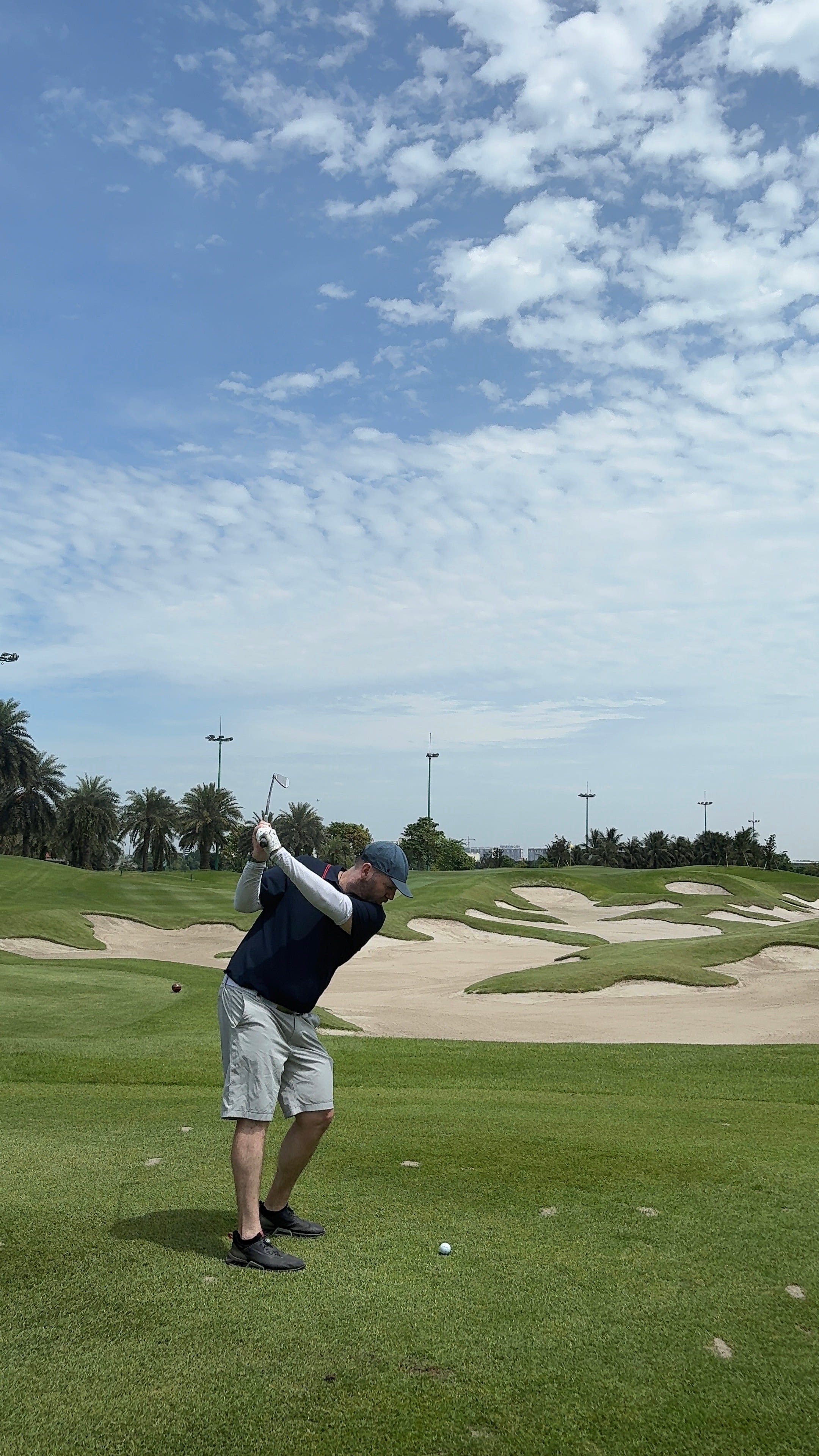
In golf, you can manipulate your swing enough to hit a few good shots. You think you’ve figured it out, so you stick with it. Then you get onto the course and it falls apart. What felt like progress might just have been a way of compensating for a bad habit.
Photography has its version of this. You visit a beautiful place, get lucky with the light, and come home with something good after shooting for 15 minutes. Or you shoot from the hip and happen to nail a photograph.
Sure, it happens. But a few good results don’t tell you whether you have an approach you can rely on.
Slow down and spend some time on your photographs. Hold the damn camera to your eye. Work the scene. Look at your background and explore the composition before deciding you’re finished. Give yourself a chance to understand why a photograph works.
If you’re happy taking the occasional nice picture, that’s fine. I’m not telling everyone they need to turn photography into serious study. But if you want to shoot at a professional level, expect years of disciplined practice, not a few months.
Trust me, I practice golf every day to be mediocre. But I love the process, and I am getting better.
Sometimes I hit a shot as good as my coach’s. I’m not foolish enough to think I can match him over 18 holes, from an uphill lie, in tough wind, or under pressure. I’ve hit a good shot. I still have a lot to learn.
Paralysis by Analysis
The challenge is practicing those fundamentals without trying to think about all of them at once.
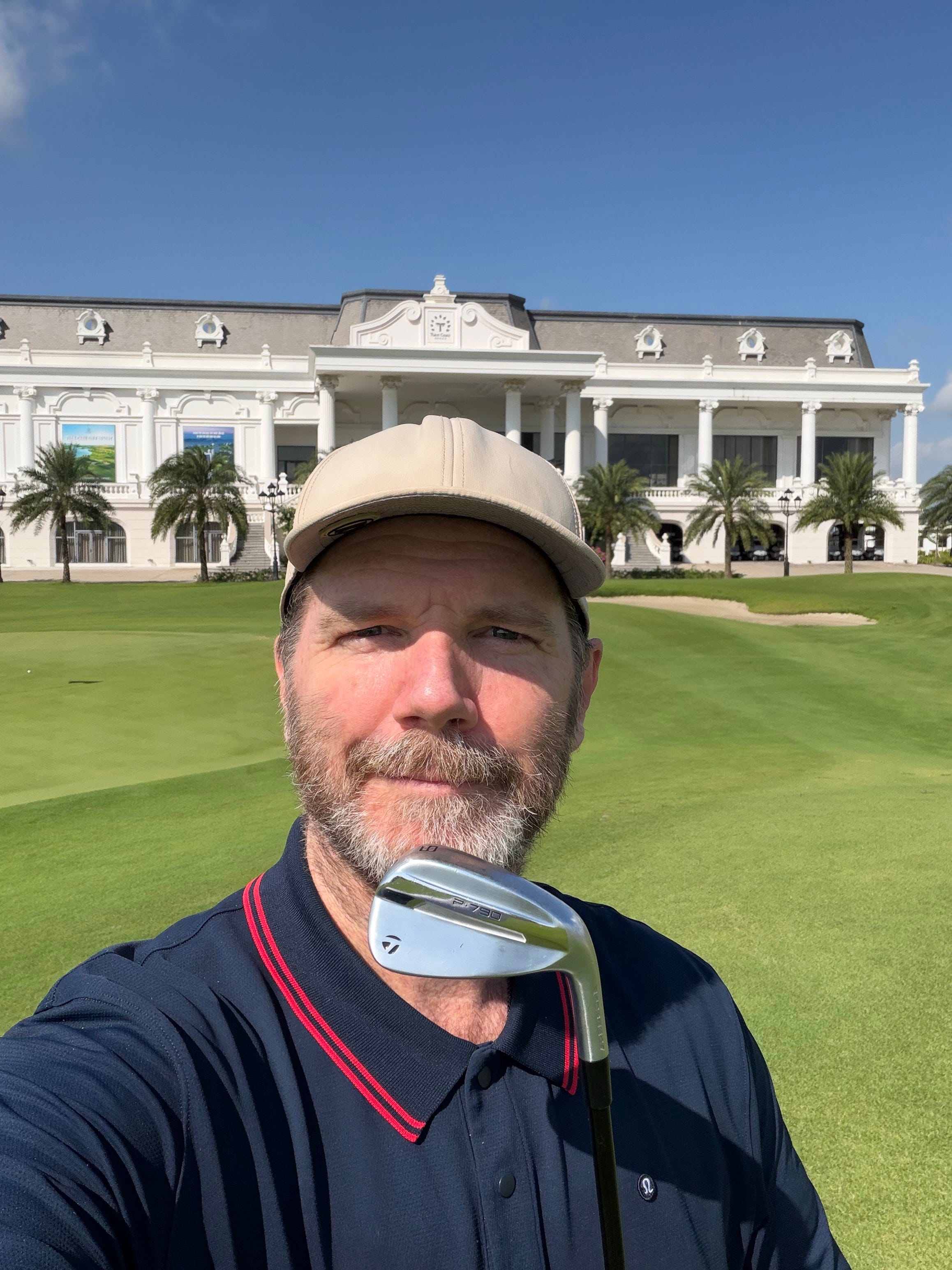
In golf, the more thoughts I carry into my swing, the worse I tend to play. I’m thinking about my grip, my hips, where my elbow should be. Somewhere in there, I still have to hit the ball.
Photography can be the same. You’re checking every compositional rule while something interesting happens in front of you. By the time you’re satisfied, the moment has passed.
Practice one thing at a time so it becomes more familiar. When something catches your attention, give yourself permission to react. You don’t need to stop and grade every decision while you’re shooting. You can study the photographs afterward.
Better Alone
The right friends might help your golf game, but I tend to play better alone. I’m less distracted and more focused on the shot in front of me.
I feel the same way about photography. When you’re out with someone else, whether they’re a photographer or not, part of your attention is on them. You’re chatting, keeping pace, wondering whether they’re bored while you wait for something to happen.
You might leave a scene before you’ve really explored it because the person you’re with has already moved on.
When I want to concentrate on making photographs, I prefer going alone. I can linger and give my subjects my attention without feeling like I’m holding anyone up. Learning with other people is valuable, but you also need time to put it into practice for yourself.
YouTube University
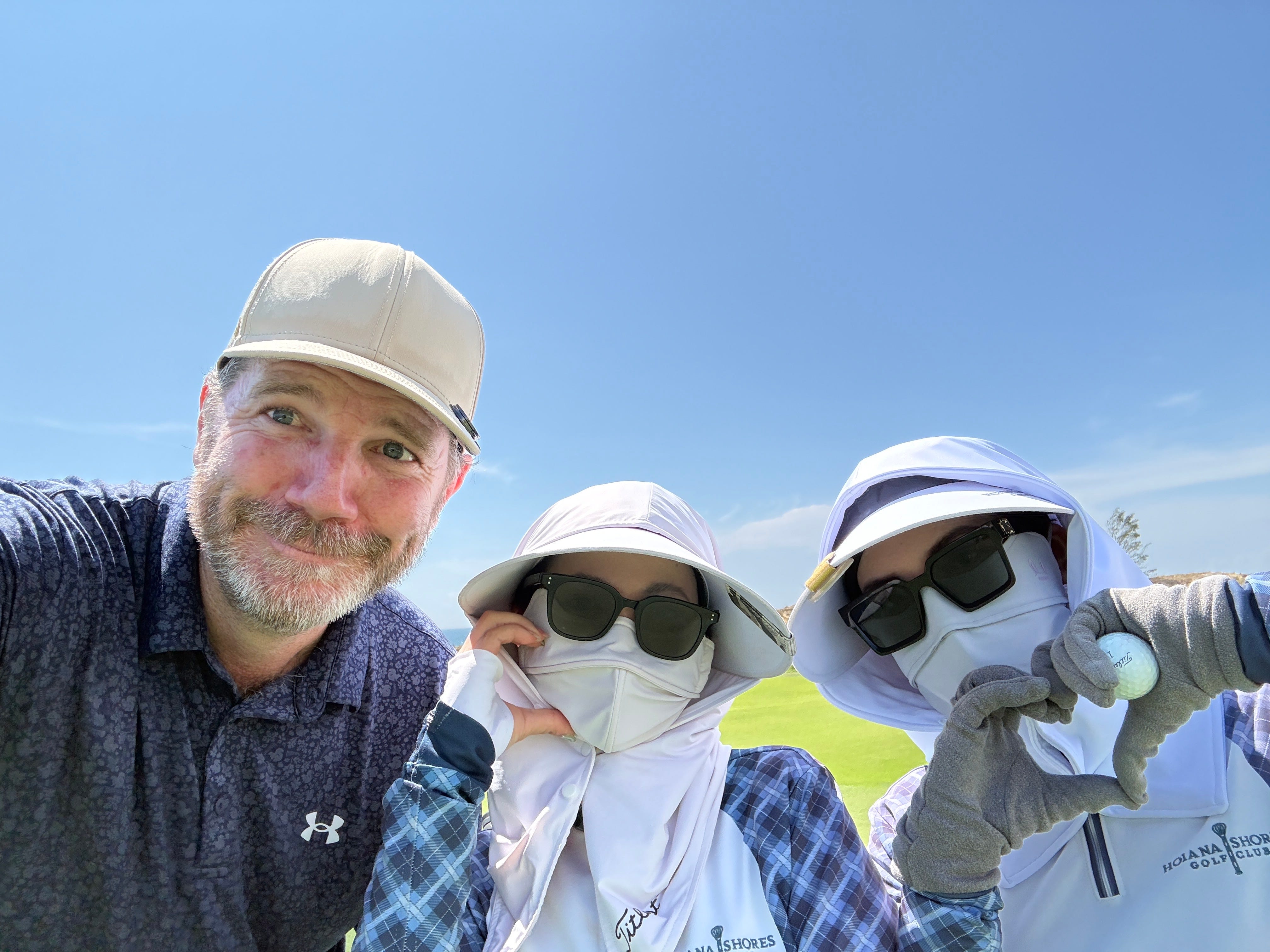
When I started learning golf, there was so much advice to weed through. One instructor says this, another says the opposite, and everyone seems to have a fix that takes 15 minutes.
Some of it might be good advice. Whether it’s good advice for me, at my level, is another question.
Eventually, I decided to put my coach’s advice first. He knows my swing and can see whether I’m actually doing what we’re working on. That cleared away a lot of noise.
Photography has the same problem. Someone has 200,000 subscribers, so we assume they must be worth listening to. But do you like their photographs? Can they explain their decisions in a way that helps you with your own work?
A talented photographer isn’t automatically a good teacher. Find someone whose work and teaching you connect with, and give yourself time to apply what you’re learning before adding another opinion.
Same Goes for Gear
Tiger Woods’ clubs won’t make me Tiger Woods. I’d still have my swing, and his clubs might not even be right for me.
We do this in photography, too. We love someone’s photographs, find out what camera they use, and start wondering whether we should buy one.
That photographer might use a Leica, a Ricoh, or a medium format camera. It works for them. That doesn’t tell you whether it will suit you.
Before buying anything, ask yourself what you need it to do. Can you name a problem it would solve in your own photography, beyond wanting your pictures to look more like theirs?
Two Steps Forward and One Step Back
Some days in golf, you just play like crap. Changing a familiar habit can make things worse for a while, too.
In photography, you might be getting closer to people or attempting more complicated compositions. Initially, you might come home with fewer pictures you like. You’re asking more of yourself, and it takes time.
That doesn’t mean every failed photograph is a sign of progress. You still need to look honestly at why it failed and make an adjustment. But one bad day shouldn’t undo your confidence in everything you’ve learned. Look at your work over months and give yourself time.
Learning With Others
Having someone help me work through those frustrations has made a difference in golf.
I joined an online-golf community with a coach I really like. He does swing breakdowns, and members share what they’re working on and struggling with. It gave me feedback I could use and direction for my practice. It also helped to see other people working through the same things.
That’s actually where I got the idea to start my photography community.
Inside AskMOTT, you get a monthly assignment to give your shooting some focus, direct feedback from me on your photographs, and other members sharing what they’re going through. You can put what you’re learning into practice, then come back with work we can discuss.
Being a student again has reminded me that understanding the advice is only part of it. I still have to go out and work on it, and sometimes I need someone to help me see what I’m missing. That’s what I want to offer you with your photography.
If you’d like that kind of direction and feedback, come join the AskMOTT community. If you’d prefer to work with me individually on your photographs and the things you’re struggling with, I also offer 1:1 classes.
About me & how I can help
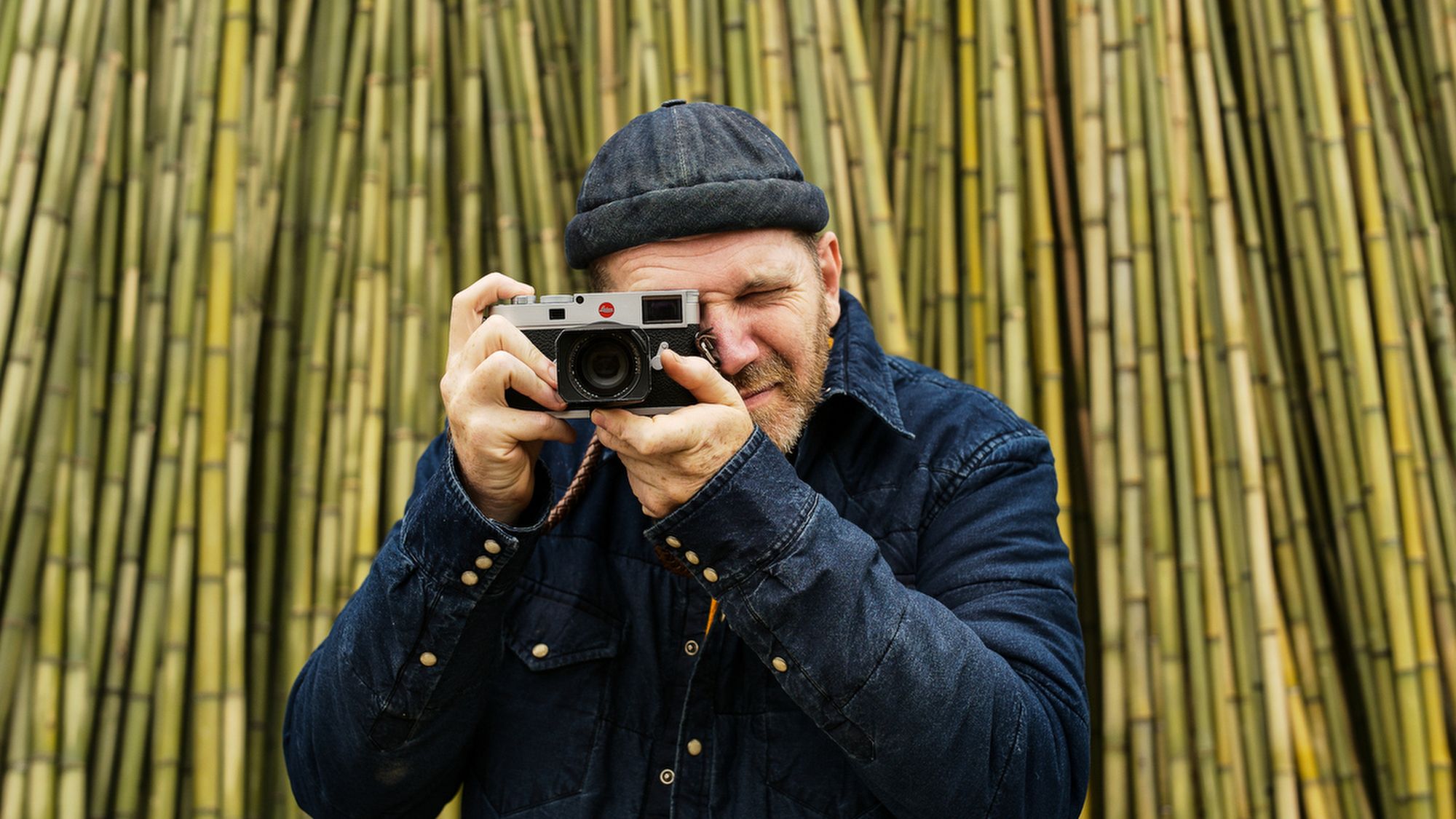
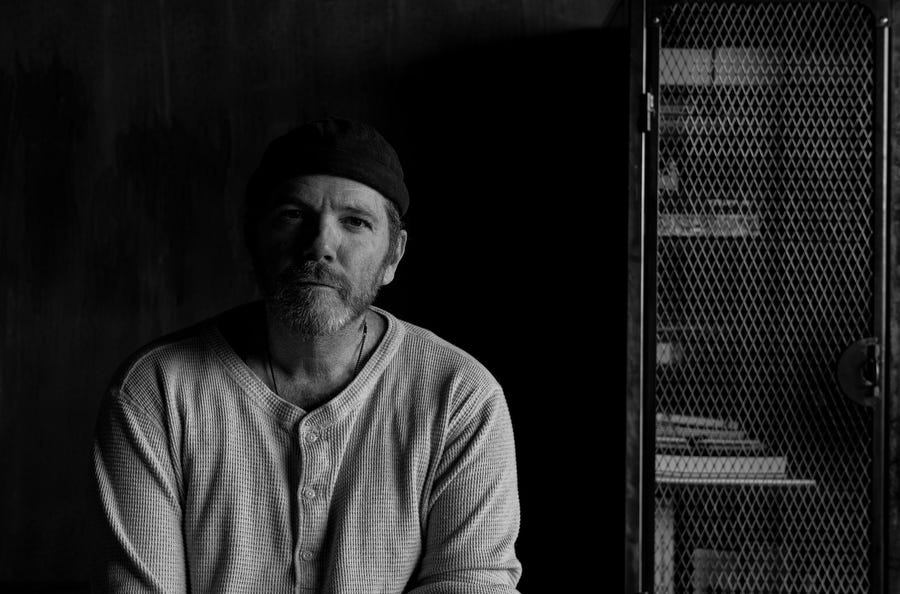
I’m Justin Mott, a Vietnam-based editorial and commercial photographer. My career spans nearly 20 years, including 100+ assignments for The New York Times and campaigns for Fortune 500 clients throughout Asia and beyond.
Through AskMOTT, I work with photographers at every stage through individual sessions, portfolio reviews, and mentorship. For regular assignments, feedback, and connection with other photographers, you can also join my paid AskMOTT photography community.
Explore my editorial photography and commercial projects.
Lorem ipsum dolor sit amet, consectetur adipiscing elit. Cras sed sapien quam. Sed dapibus est id enim facilisis, at posuere turpis adipiscing. Quisque sit amet dui dui.
Stay connected with news and updates!
Join our mailing list to receive the latest news and updates from our team.
Don't worry, your information will not be shared.
We hate SPAM. We will never sell your information, for any reason.