Before You Book That Photography Workshop
Jun 16, 2026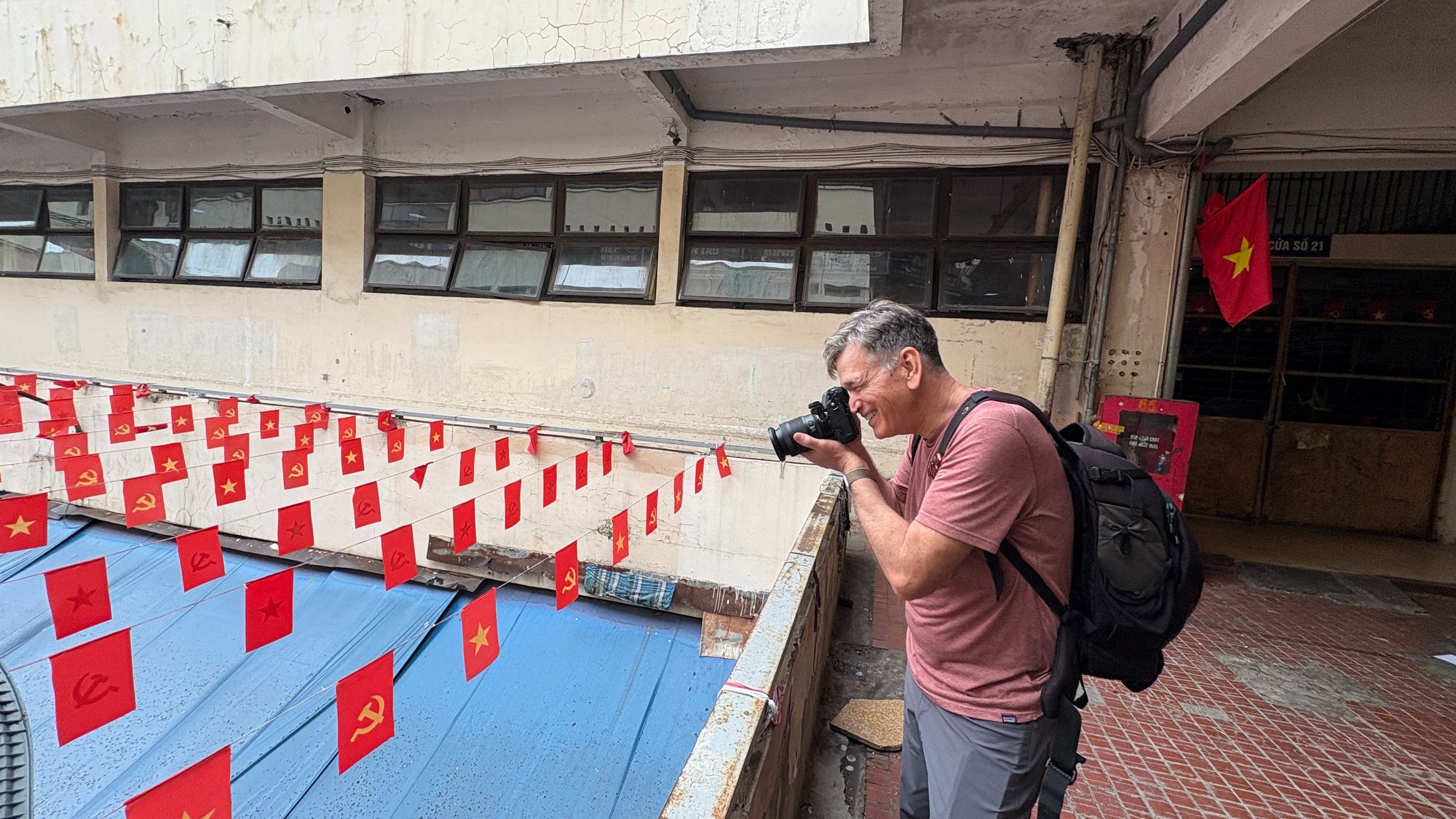
Not all workshops are built to teach you anything. Here's how to tell the difference before you waste your time and money.
Photography workshops are everywhere right now. It feels like every YouTuber has one, and as commercial work slows down for a lot of photographers, more and more people are turning to workshops as another way to generate income. That shift isn't necessarily a bad thing. Workshops can be a great experience. They give you a chance to focus purely on photography, step away from your daily routine, and spend time learning in a new environment with someone you trust.
But the reality is, not all workshops are created equal. And if you're thinking about signing up for one, there are a few things you should really think through before you commit.
Who you're learning from matters more than you think
One of the biggest misconceptions I see is people assuming that a large YouTube following automatically means someone is a great teacher. It's an easy trap to fall into. If someone has a massive audience, clearly they must know what they're doing. But being good on YouTube and being a good educator are completely different skill sets. You might get entertaining, well-produced videos online, but that doesn't always translate into real, practical teaching when you're standing next to someone in the field trying to improve your photography. A good instructor needs real experience to pull from — many instructors simply don't have that.
The same goes for well-known or highly accomplished photographers. Just because someone has an impressive portfolio or a strong client list doesn't mean they know how to teach what they do. In some cases, workshops become more of a side business, and there isn't always a real desire to break things down or share their process in a meaningful way. Some photographers are great at creating images but struggle to explain how they got there in a way that others can actually understand and apply. Being skilled and being able to teach that skill are not the same thing, and it's important to recognize that before you book.
Don't choose the workshop for the location
This is one of the biggest mistakes I see. People book a workshop because the destination looks incredible, and they start imagining the photos they'll come back with. It makes sense. A beautiful location is exciting. But if your goal is to improve, the instructor matters far more than the scenery.
A strong teacher can help you grow in almost any environment. A weak one won't suddenly become useful just because you're standing somewhere photogenic. If you're honest about your priorities, you'll realize the location should always come second to the quality of the instruction.
Not all "workshops" are actually workshops
A lot of people don't realize this, but there's a big difference between a photography tour and a real workshop. A tour is usually about access and convenience. You're taken to pre-planned locations, often in a larger group, and guided toward getting a specific shot. Everyone stands in the same place and captures a version of the same image. There's nothing inherently wrong with that, but it's not really about growth.
A proper workshop is different. It's smaller, more focused, and built around feedback and development. You're not just being shown where to stand. You're learning how to see, how to approach a scene, and how to improve your decision-making as a photographer. If your goal is to actually get better, you need to make sure you're not just signing up for a guided photo trip.
If you're serious, pay for access — not just attendance
Group size plays a big role in how much you'll actually get out of the experience. Smaller workshops almost always provide more value if you're serious about improving. You get more time with the instructor, more personalized feedback, and more opportunities to ask questions and refine your approach.
Larger workshops tend to feel more like events. You might enjoy the experience, but it's easy to get lost in the crowd and come away without making meaningful progress. It's tempting to go for the cheaper option, but in many cases, you're trading away the very thing you should be investing in: your development.
If you have the budget, one-on-one workshops are on another level entirely. A lot of photographers offer them, even if they don't make it obvious. These sessions are fully tailored to you — your level, your goals, and your weaknesses. There's no guessing and no wasted time trying to keep up with a group.
I teach a lot of one-on-one workshops in Hanoi, and the difference in how quickly people improve compared to group settings is very clear. They're more expensive, but the value is significantly higher because everything is focused on you.
Do your homework before you book
Most workshop websites will show glowing testimonials, and of course they do — they're curated. That doesn't mean they're fake, but it does mean you're only seeing part of the picture. Try to find feedback in more neutral places like Google reviews, forums, or social media discussions. Even better, reach out to someone who has attended before and ask about their experience directly. A short, honest conversation can tell you far more than a list of polished reviews.
You should also take the time to look at the instructor's work. Not because it guarantees they'll be a good teacher, but because you need to at least respect what they do. If you don't connect with their style or approach, it's going to be harder to learn from them. At the same time, remember that a strong portfolio alone isn't enough. It's just one piece of the puzzle.
Before booking anything, make sure you clearly understand what the workshop actually covers. If you're interested in street photography and the workshop focuses on portraits, you're not going to get what you need. Be careful with vague descriptions and ask follow-up questions. What does it actually mean in practice? How is it taught? Can they show examples in their own work? If you can't get clear answers, that's usually a sign to move on.
Your mindset will determine what you get out of it
A lot of people treat workshops like a content trip. They want to come back with nice photos for Instagram, and sure, you'll probably leave with some strong images. But that shouldn't be the goal.
The real value is learning how to create those images on your own later, in completely different situations, without relying on someone else to set everything up for you. If you're only chasing photos, your progress will stall. If you're focused on growth, you'll keep improving long after the workshop ends.
It's also worth asking what kind of support exists after the workshop. Some instructors offer ongoing feedback, access to alumni groups, or the ability to reach out with questions later on. That kind of continued connection can be extremely valuable as you start applying what you've learned on your own.
Know yourself and where you stand
Finally, be honest with yourself about how you learn and where you are in your photography. Some people thrive in group environments, while others need more individual attention to really absorb information. If you know you're not someone who speaks up easily, a large group setting might not be the best fit.
The same goes for your skill level. Many workshops claim to be open to all levels, but that often just means they want to appeal to a wider audience. If you're still learning the basics and the workshop is focused on advanced concepts, you're going to struggle.
In my own workshops, I often have a mix of experience levels, but the only reason that works is because the groups are small enough that I can adapt how I teach to each person. That level of flexibility doesn't exist in most larger setups, and it's something people don't always think about until it's too late.
Workshops can be incredibly valuable if you choose the right one. They can push you forward, give you clarity, and help you break out of creative ruts. But that only happens if you approach the decision carefully. Focus on the instructor, make sure the content aligns with your goals, and go into it with the intention to improve — not just to collect photos.
That's where the real return is. My goal isn't for you to leave with great photos — it's for you to leave knowing how to create them long after the workshop is over.
If this approach resonates with you and you're interested in a small group or private workshop in Vietnam or beyond, you can find more details at askmott.com/workshops.
Lorem ipsum dolor sit amet, consectetur adipiscing elit. Cras sed sapien quam. Sed dapibus est id enim facilisis, at posuere turpis adipiscing. Quisque sit amet dui dui.
Stay connected with news and updates!
Join our mailing list to receive the latest news and updates from our team.
Don't worry, your information will not be shared.
We hate SPAM. We will never sell your information, for any reason.