The Reality of Being a Professional Photographer
Jun 16, 2026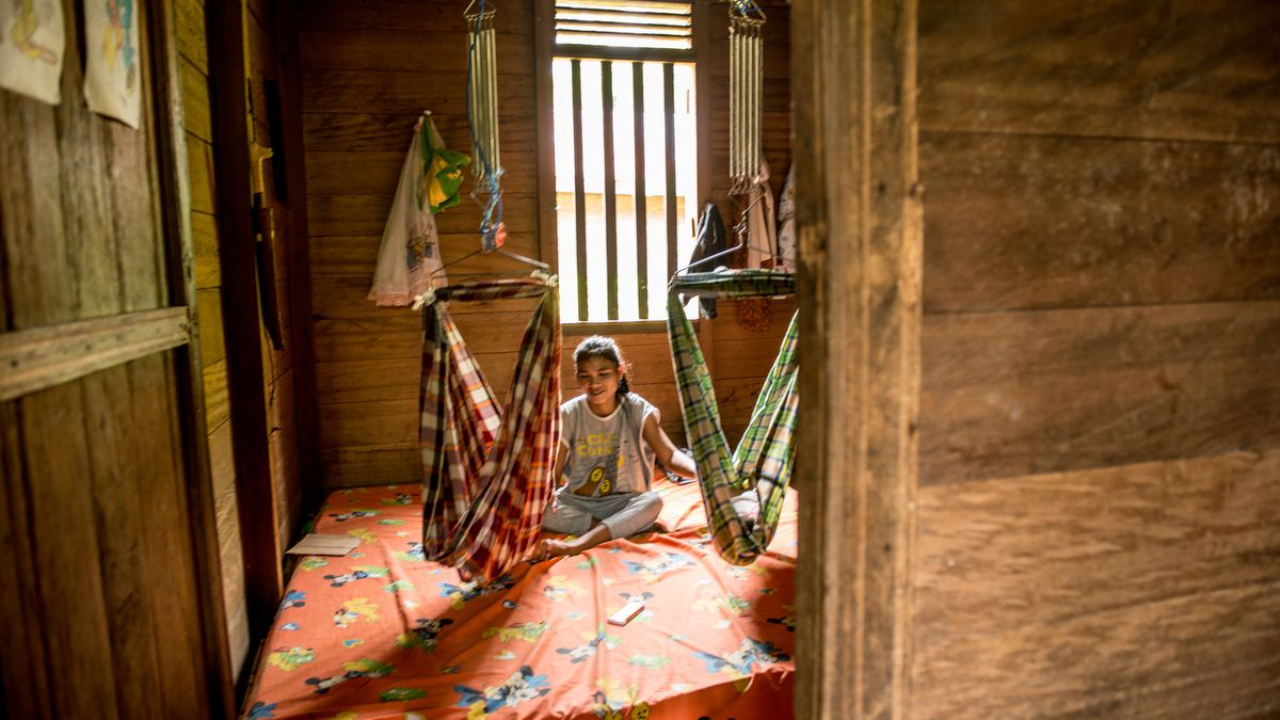
For every shoot where I was in a helicopter, there were fifty others where I was sitting on a toilet trying to make a tiny hotel bathroom look bigger and sexier.
When you see my rhino or wildlife stories, you probably assume I get paid to do that for a living. When you see my work published in The New York Times, you might assume those assignments pay well and provide a sustainable life in photography. From the outside it can look like a pretty incredible career.
In reality, most of the time you would be completely wrong. No one is posting on social media about the self-published photo book and exhibition that quietly lost money. You rarely see someone saying, "Hey check out these street photos that took me a year to make and generated exactly zero income on my $15K Leica kit."
That version of the story rarely makes it online. The version of the industry people see online often bears very little resemblance to how photography actually works as a profession.
The Gap Between Perception and Reality
I do it too. When I tell people I photographed the last two northern white rhinos on Earth, they lean in and ask questions. When I tell them I photograph and film luxury hotels for a living, the interest drops off quickly. Both are true parts of my career, but one clearly sounds far more interesting than the other.
I've been fortunate to have a long career with fairly steady paid work, moving through many parts of the industry — from photojournalism and editorial assignments to commercial campaigns, wildlife projects, television, and eventually running a production company. Even with that experience, I still see a large gap between how photography is perceived and what it actually takes to build a sustainable career.
The Work No One Talks About
Take the wildlife work people often associate with me. When those images circulate online, people assume my career revolves around flying around the world telling dramatic environmental stories. The reality is much less romantic. A large portion of my early career was spent shooting assignments around Southeast Asia for The New York Times. Some of those assignments were genuinely fascinating, but many were far more ordinary.
I once had an assignment to photograph a bird that had supposedly been extinct for forty years. It sounded like the beginning of a great adventure story. In reality it mostly involved hiking through the jungle with a group of researchers hoping to spot something that had not been seen in decades. We did not find it.
On another assignment for a gourmet travel magazine, I was sent on a luxury multi-day cruise. Then the staff writer quietly told me the food was not pretty enough to photograph and the guests were too old for their audience. So there I was, stuck on a boat for four days trying to figure out what exactly I was supposed to photograph.
The Numbers Behind the Career
The pay at the time was about $250 per day plus expenses for NYT assignments. Nothing lavish. For every photographer like me who was regularly shooting assignments for the Times, there were several others in the region who might receive only three or four assignments a year.
Another misconception is that the most exciting work is the work that actually pays the bills. In reality the opposite is often true. My personal projects — the wildlife stories, the rhinos — were never designed to make money. The Washington Post might pay around $800 to run a story. Other magazines might pay around $500. Once you factor in flights, travel costs, and the time required to produce the work, many of those projects actually lost money.
Commercial photography is where the largest paydays tend to exist. I'm fortunate to have worked with a couple of clients who can pay around $10,000 per day when usage rights are included, but I didn't land clients at that level until I was already in my early forties — at least not consistently. Even then nothing about those relationships is permanent.
A Week That Summed It All Up
One week in my career summed up the reality of the profession perfectly. I spent ten days photographing a luxury hotel for excellent pay, carefully lighting suites and documenting every room category the property had. As soon as that job ended I flew to a small village and stayed in a ten-dollar guesthouse while photographing pangolins in the middle of the night for a conservation story that paid about $200 a day. A few days later I was on another flight to photograph corporate portraits for an advertising agency.
That kind of swing between assignments has been normal throughout my career. For every assignment that looked glamorous from the outside there were many others that involved photographing conference rooms, corporate offices, or twenty nearly identical hotel rooms.
The Hustle Never Really Stops
Even now the hustle hasn't really stopped. I run a production company today, but I'm still constantly maintaining relationships with clients, looking for new opportunities, and adapting to changes in the market. Photography careers rarely become stable in the traditional sense.
Writing, YouTube, and teaching photography became meaningful parts of my work and my life. None of those things were part of the original plan, but they've given me another creative outlet and a way to share what I've learned over the years.
Photography is still a wonderful profession and I feel incredibly lucky that I get to do it. But it's important to understand that it isn't always what the internet makes it look like. Behind every beautiful photograph or exciting assignment there is usually a lot of hustle, uncertainty, persistence, and a willingness to keep evolving along with the industry itself.
Want to learn more about building a sustainable photography career? Explore 1-on-1 coaching or check out the upcoming workshops.
Lorem ipsum dolor sit amet, consectetur adipiscing elit. Cras sed sapien quam. Sed dapibus est id enim facilisis, at posuere turpis adipiscing. Quisque sit amet dui dui.
Stay connected with news and updates!
Join our mailing list to receive the latest news and updates from our team.
Don't worry, your information will not be shared.
We hate SPAM. We will never sell your information, for any reason.