
Where Street Dogs Learn to Walk Again
Jun 16, 2026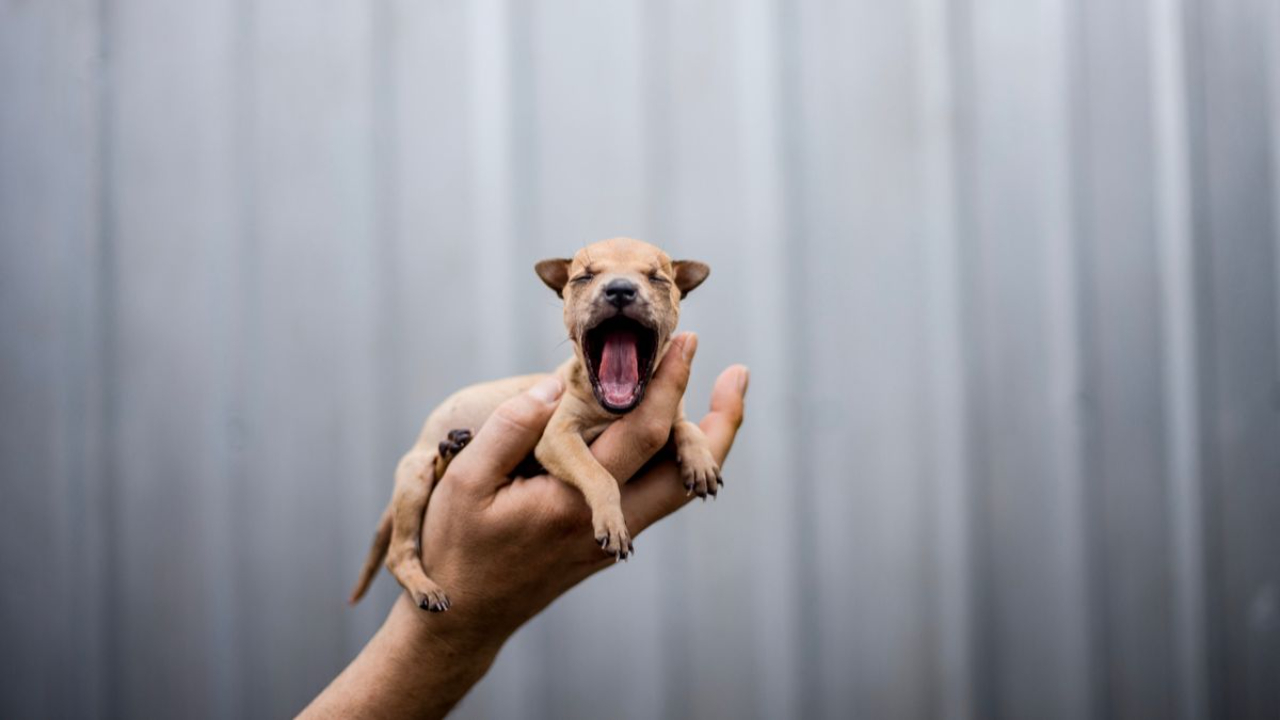
Hydrotherapy, surgery, and stubborn compassion at the Soi Dog Foundation in Phuket.
For years, I have been funding an ongoing legacy project out of my own pocket. It is a long-form documentary series focused on people around the world who dedicate their lives to helping animals in need. I have photographed the last two northern white rhinos in Central Kenya. I have spent time inside a sloth rescue center in Suriname. And now I found myself at a dog and cat sanctuary headquartered in Phuket, Thailand.
These are not stories about animals alone. They are stories about devotion, sacrifice, and the kind of quiet commitment that rarely makes headlines.
The difference between assignment work and this
For nearly two decades I worked as an assignment photographer for The New York Times. The work was meaningful, but it was fast. Deadlines ruled everything. I was often building visual narratives inside tight parameters, working around someone else's words, racing against the clock. That pace sharpens you, but it also limits you.
This project allows me to slow down. It is still journalism. My ethical standards remain the same. I do not pay for access. I do not stage scenes. I do not manipulate moments beyond the occasional portrait. I research thoroughly. I am transparent about what I am doing and why I am there. I spend long days on location so that natural moments can unfold on their own. I listen. I observe. I wait.
Arriving at Soi Dog
I arrived on a hot and humid afternoon at the Soi Dog Foundation, tucked away near a rubber plantation in Phuket. Phuket is known for beaches and relaxation. Most visitors come for turquoise water and sunsets. The people at Soi Dog are there for a very different reason.
Founded in 2003 by John Dalley and Gill Dalley, the foundation has grown into one of Southeast Asia's leading organizations for street dog rescue and animal welfare. Gill passed away in 2017, but her presence is still deeply felt. A large statue of her stands beside the veterinary hospital — not as decoration but as a reminder of the standard she set. This place exists because of stubborn compassion. Because someone refused to look away.
John continues the mission they started together. Thousands of street dogs and cats move through this sanctuary every year. They are sterilized, treated, rehabilitated, and in many cases adopted into homes they would never have otherwise known.
Pivoting to the physical therapy unit
Before I arrived, I was encouraged to focus on a seventy-year-old Thai volunteer. I imagined a portrait of lifelong service. When I got there, I learned that most of his time was spent on maintenance and waste removal. There is dignity in that work, and I respect him for it. But this particular project is centered on the emotional connection between humans and animals. I needed to see interaction. Touch. Trust being built.
So I pivoted.
I found myself in the physical therapy unit — a small room staffed by Thai and German team members helping dogs who had been beaten or hit by cars. There were hydrotherapy tanks, ultrasound machines, and makeshift wheelchairs crammed into a space that felt too small for the weight it carried. The room was physically tight, but emotionally expansive.
Watching a street dog relearn to walk
Watching a street dog relearn how to walk is not something you forget easily. You see the hesitation in their eyes, the confusion, the fear. And then slowly, sometimes almost imperceptibly, you see strength return. The staff moved with patience and gentleness. The amount of time and money invested into helping a discarded street dog stand again would surprise most people. It surprised me. It also moved me more than I expected.
I spent five full days there, from opening to closing, mostly inside that therapy room. Over time the dogs grew accustomed to me. The staff stopped noticing the camera. The moments became quieter and more honest.
Other threads of the story
There were other threads to the story as well. A rugged British volunteer worked as a behavioral therapist, handling dogs labeled aggressive — the ones people warned me about. He approached them calmly, without bravado. He would kneel down, wait, and let the dog decide. Watching fear slowly soften into trust felt like witnessing something sacred.
I also spent time in the emergency room. Dogs arrived constantly. Some had been hit by cars. Some were sick. Some had been abused in ways that were difficult to comprehend. One dog had been attacked with a machete. It was hard to watch, but I stayed. I watched the surgical team operate. I watched them save his life.
None of this was dramatic in a cinematic sense. It was long hours, sweat, concrete floors, and relentless effort. It was people choosing, day after day, to show up for animals that much of the world ignores.
The Soi Dog Foundation
The Soi Dog Foundation does extraordinary work not only through medical care and sterilization campaigns, but also by fighting the dog meat trade and pushing for stronger animal welfare standards across the region. You can find them at soidog.org.
I always donate the images to the foundations and individuals I document. The work belongs to them as much as it belongs to me.
This series is self-funded. It is slower. It is intentional. And in many ways, it feels like the most honest work I have done in a long time. If you want to learn how to approach documentary work like this — or to develop your own long-form visual stories — I offer 1-on-1 coaching and workshops in Vietnam and beyond.
Lorem ipsum dolor sit amet, consectetur adipiscing elit. Cras sed sapien quam. Sed dapibus est id enim facilisis, at posuere turpis adipiscing. Quisque sit amet dui dui.
Stay connected with news and updates!
Join our mailing list to receive the latest news and updates from our team.
Don't worry, your information will not be shared.
We hate SPAM. We will never sell your information, for any reason.