
Why Most Photographers Struggle to Sell Prints (And What Actually Works)
Jun 16, 2026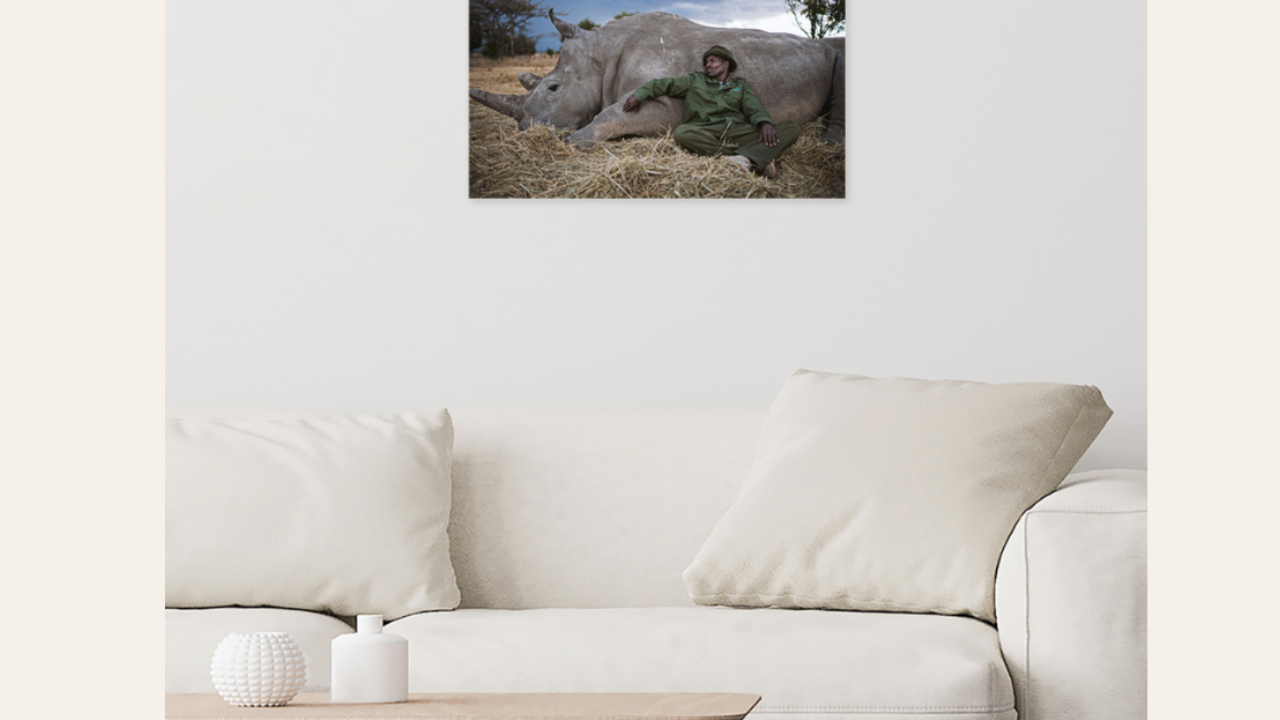
What actually works, what doesn't, and how to build an online print store without overcomplicating it.
Print stores are not just for professionals. In fact, some of the most successful ones I've seen are run by amateurs who simply have a strong personal network and people who genuinely connect with their work. Wall art is personal — people don't just buy a technically strong image, they buy something they feel a connection to.
This is a question I get constantly. I've talked about it before on YouTube, and every time I revisit it, my answer changes a bit based on what's actually working. There's no perfect system here, but there are definitely better and worse ways to go about it.
If you want to reference my updated print store visit here.
Should you even do this?
A lot of people hesitate because of imposter syndrome. They assume they're not good enough, or that nobody would ever pay for their photos. But I know professionals with years of experience and incredible portfolios who don't sell a single print, and I know amateurs who sell consistently because their friends, family, and local community actually care about what they're making.
That connection doesn't require a big following or a well-known name. If you're willing to put in a bit of time upfront and you're okay with a small monthly cost or platform fee, it's absolutely worth trying.
That said, keep expectations grounded. Do not expect your print store to pay your rent. Prints are hard to sell. It's a saturated market, and even if you have a decent following, that doesn't automatically translate into buyers. I've had months where I've made thousands from print sales, and I've had long stretches where nothing moved at all. That's normal. The mistake people make is setting up a store and then leaving it alone — prints don't sell themselves.
Which platform to use
You've basically got two directions: link out to a storefront service like Pic-Time or Printique, or integrate a store directly into your own website using something like Squarespace.
My original setup was Squarespace with a Printique integration. On paper it sounds great. In reality it was frustrating — the integration constantly showed options I didn't want, and it didn't feel polished. What worked much better was using Squarespace purely as a storefront and manually fulfilling orders through Printique on the backend. Their print quality is excellent and the pricing is solid, but they primarily ship within the US and Canada, which was a problem for me in Vietnam with a global audience.
I recently switched to Pic-Time after doing a proper deep dive on alternatives. The backend is clean, the storefront looks good right out of the box, and they handle printing, shipping, and customer service. The tradeoff is cost — there's a monthly fee plus a commission per sale on lower-tier plans. It's not cheap, but at the moment it's the best balance I've found between ease of use and a professional customer experience.
The biggest mistakes people make
Too many options. Too many photos. Too much of everything.
You do not need five slightly different versions of the same landscape shot. Pick one and commit. The same goes for paper types and sizes. These platforms will happily let you offer twenty different papers and dozens of sizes, but that doesn't mean you should. It overwhelms people and makes it harder for them to make a decision.
My approach: I offer three products — a standard high-quality print on lustre paper, a premium fine art option, and a framed version. For each, I keep sizes limited to small, medium, and large. That's it. Clean, easy to understand, removes friction from the buying process.
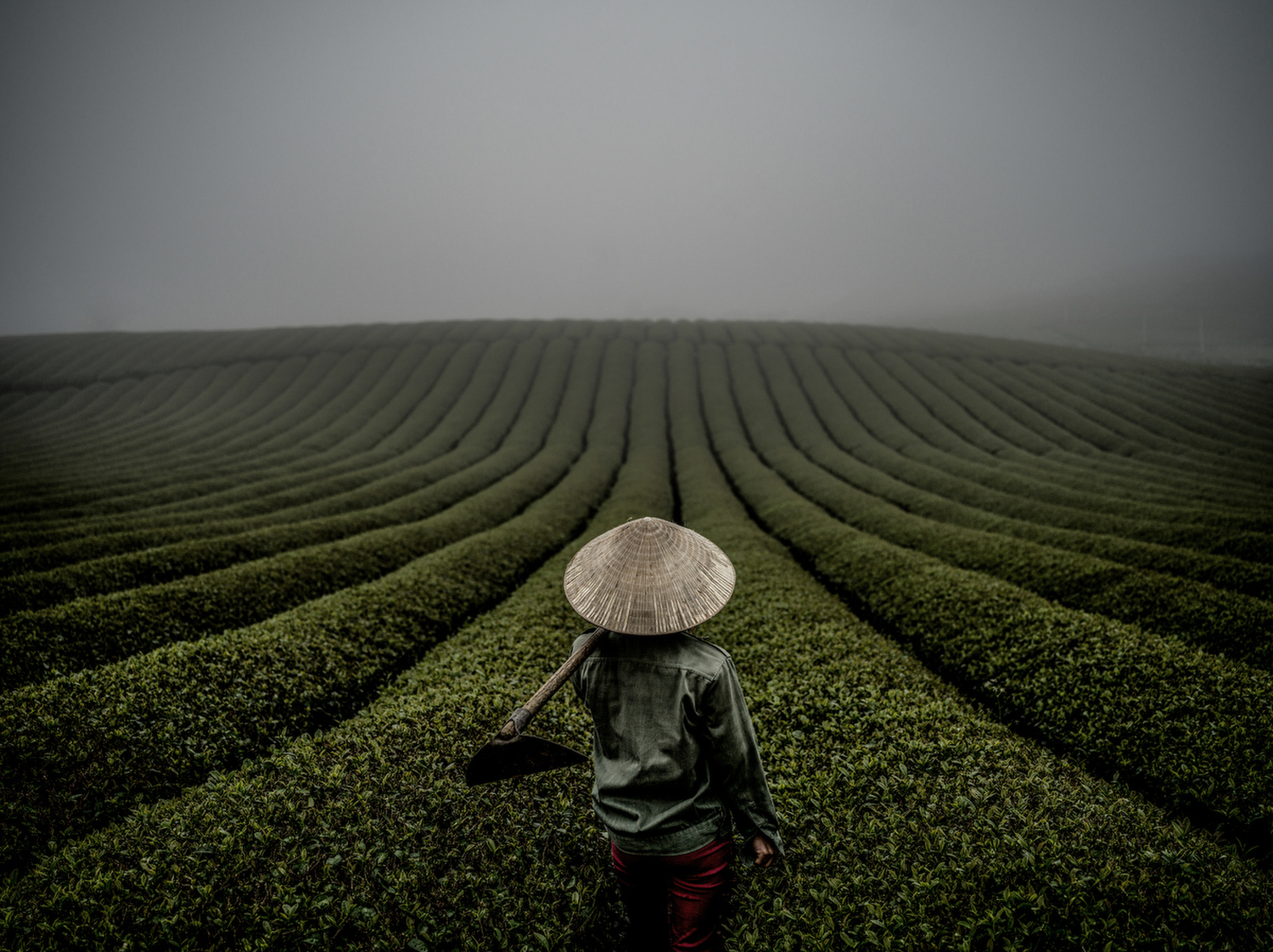
The same thinking applies to your images. I have around fifteen in my store. Every image is carefully chosen. This is not your portfolio. This is not about your favorite images. This is about what people might actually want to live with on their wall.
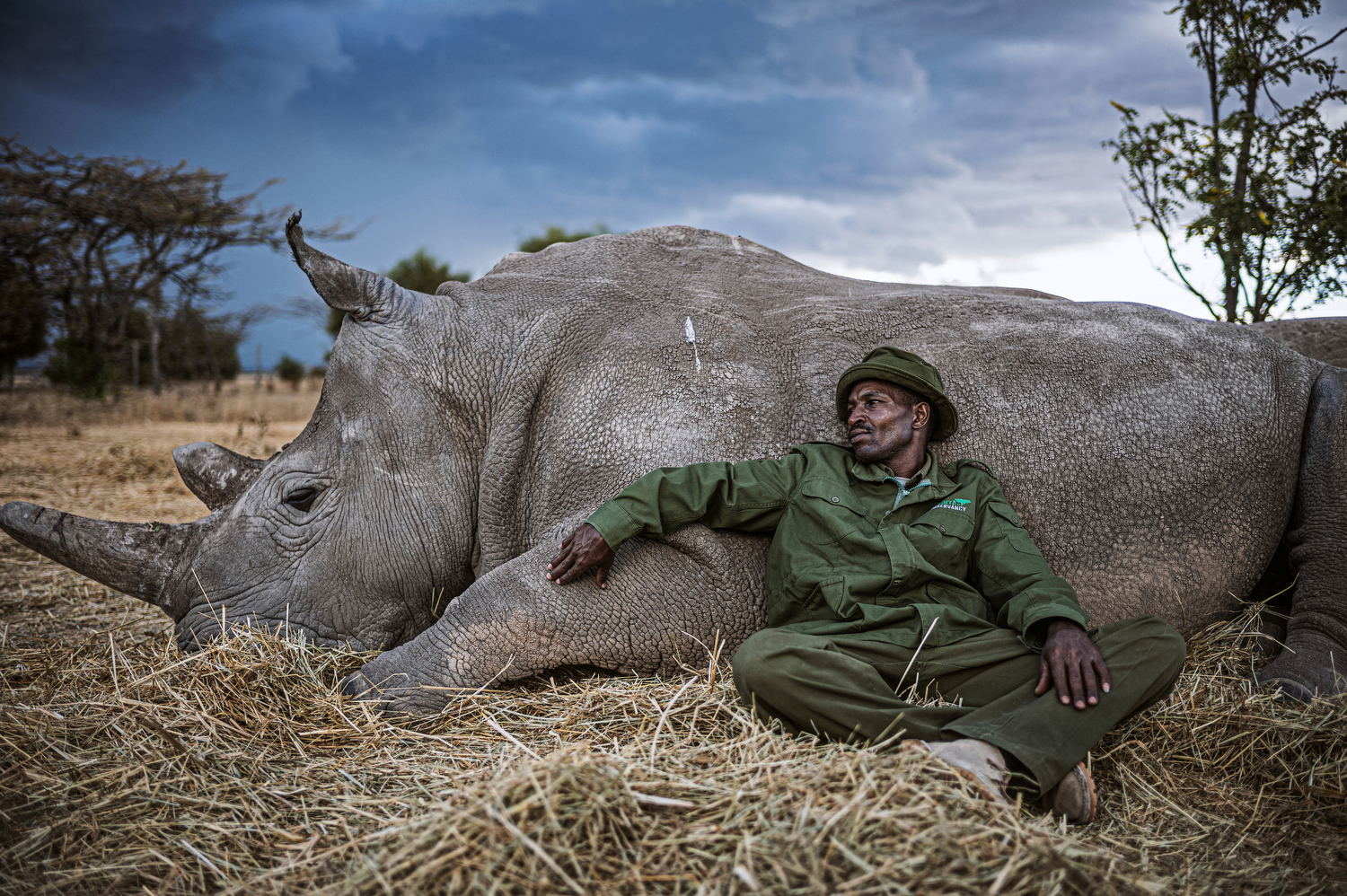
I have technically stronger images than some of my best sellers, but they don't move. Meanwhile, my rhino caretaker photo consistently sells because it connects with people and feels like something they want in their space. That's the kind of thinking you need.

Pricing
Most platforms use a markup system — you set how much you want to earn on top of the base print cost. A common starting point is around a 300% markup. Personally I charge closer to 600%, but that comes from experience and an established audience. If you're starting out, pick something reasonable and adjust over time.
Keep your editing consistent. If your work jumps between completely different styles, it feels disjointed and unprofessional. Consistency matters more than variety here.
One small thing I do
I set a 24-hour delay before orders are fulfilled. That gives me time to double-check everything before it goes to print, because once it's printed, there's no fixing it.
At the end of the day, the goal is to build something that feels intentional, clean, and easy for people to engage with. Keep your selection tight, your presentation consistent, and your process simple. Just try it. Don't overthink it.
If you decide to try Pic-Time for your print store I'd appreciate it if you use my affiliate link here.
If you want more guidance like this — including monthly assignments, feedback, and resources — check out my 1-on-1 coaching or workshops.
Lorem ipsum dolor sit amet, consectetur adipiscing elit. Cras sed sapien quam. Sed dapibus est id enim facilisis, at posuere turpis adipiscing. Quisque sit amet dui dui.
Stay connected with news and updates!
Join our mailing list to receive the latest news and updates from our team.
Don't worry, your information will not be shared.
We hate SPAM. We will never sell your information, for any reason.