
Leica M Cameras: An Honest Review After Years in the Field
Jun 15, 2026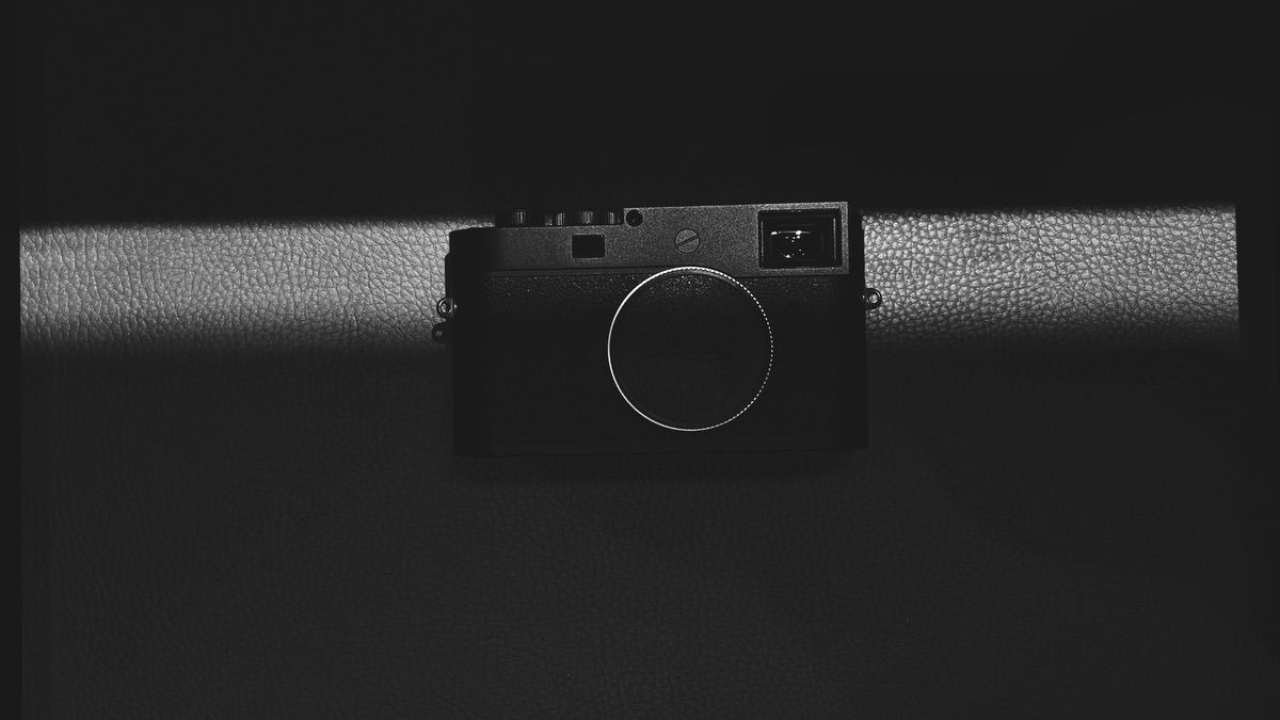
I’ve relied on Leica M bodies on assignments and personal projects across Asia and Africa. Here’s what I love, what failed, and why I still hesitate to trust one as my only camera on a critical job.
Quick answer: A Leica M can be an extraordinary camera when you value compact lenses, manual focus, simple controls, and a slower way of working. My problem has never been the photographs it can make. My problem has been reliability. I’ve had enough serious issues with the M10-D, M10, and M11 that I now carry another proven system when missing the moment is unacceptable.
My verdict after years with Leica M cameras
Leica M cameras have been part of my work for years. I’ve used them on assignments, for street photography, and throughout personal projects where access was limited and the expectation was to come back with something useful. This is not a laboratory test or a technical review. It is what it has actually been like to live and work with the system over time.
I have a love-hate relationship with Leica. When an M is working properly, very few cameras make me want to photograph in quite the same way. The body is simple, the lenses are exceptional, and manual focus forces me to pay attention. When it fails, that entire experience stops mattering. A camera at this price should not make you wonder whether it will respond when the photograph appears.
That tension is the honest answer. I still own and use Leica. I also do not pretend the problems are charming quirks.
What I love about the Leica M system
The attraction begins with simplicity. There are fewer layers between seeing something and making the frame. I am not staring at a screen full of options or asking the camera to make every decision for me. Aperture, shutter speed, focus, and timing stay in my hands.
The lenses are another reason I keep returning. Leica M glass can be small, fast, and beautifully rendered without turning the camera into a large professional rig. My 35mm lens is the one I naturally reach for most often because it lets me work close while still giving a scene room to breathe.
The rangefinder also changes my pace. It slows me down just enough to think about where I stand, what belongs in the frame, and when to press the shutter. That can be valuable for street photography, documentary work, portraits, and personal projects. The limitation becomes part of the discipline.
None of this makes the Leica M automatically better. It makes it a particular kind of tool. If that way of working suits you, the experience can be difficult to replace.
The reliability problems I encountered
My experience has not been perfect. It has been far from it. I’ve owned several M bodies, and most of them developed problems that interrupted use or required repair. These were real failures, not menu complaints or small habits I needed to learn.
When my M10-D stopped working in Kenya
One of the most frustrating situations happened in Kenya while I was photographing orphaned elephants for a personal project. Access was limited, the shooting window was short, and I had invested a lot in being there. At one point, the M10-D simply stopped responding. There was no useful warning and no obvious reason. It was dead at the moment I needed it.
I later learned that the problem was connected to an SD card that had been formatted in another camera. The workaround was to dedicate cards to the M10-D or reformat them in a particular way. That sounds manageable while sitting at a desk. In the field, with limited access and a living subject in front of you, it is not something I should have to think about.
The M10 focus alignment issue
I bought a pre-owned M10 as a backup. A few months later it developed a focus alignment problem and had to go back to Germany. The repair process took months. During that time I noticed that I was making excuses for the camera because I wanted to love it.
Rangefinder alignment matters. If the camera says the subject is in focus and the actual image disagrees, the basic promise of the system has broken down. You can adapt to many limitations. You cannot adapt to a camera giving you false information.
Missed response and delayed frames with the M11
When the M11 arrived, I decided to give the system another proper chance. I took it on a job in Cambodia and soon felt the same lack of trust. There were moments when I pressed the shutter and nothing happened, when it fired late, or when it seemed to skip a frame.
On an assignment, the damage is larger than one missed photograph. You begin monitoring the camera instead of the scene. Your attention moves away from the person, gesture, or light in front of you and toward the machine in your hands. Once that happens, the camera is working against the reason you chose it.
Why you may not hear much about these problems
Most Leica coverage is overwhelmingly positive. Some of that comes from the fact that many owners are not putting the cameras through sustained, demanding assignments. A beautiful afternoon walk is different from a short window with a client, a subject you may never see again, and a reputation tied to the result.
That does not make casual use less legitimate. It means the question “Is this a good camera?” needs context. A camera can be wonderful for personal work and still be the wrong only body for a job where failure is costly.
When I use Leica—and when I don’t
I use Leica when the pace allows me to work deliberately. That includes street photography, personal projects, some portraits, and editorial situations where the small body and manual process help rather than get in the way.
When speed, autofocus, or absolute reliability matter more, I use another system. For commercial work and fast assignments, I reach for Sony. It is less romantic, but romance does not help when the camera needs to lock focus and fire immediately.
You can see the cameras, lenses, bags, and production tools I currently rely on in my working photography gear guide. I also wrote separate field notes on the Leica SL3-P and why I sometimes choose to work with only three lenses.
Who should buy a Leica M?
A Leica M makes sense if you enjoy manual focus, understand the limits of a rangefinder, value compact lenses, and want the camera to slow you down. It also helps if you can afford the system without expecting the price to make your photographs better.
It is a poor choice if you need one camera to handle every type of assignment, depend on fast autofocus, or know that a missed frame will make you anxious. If you do use an M professionally, I recommend carrying a proven backup and testing the complete kit before important work.
Buy it because the process fits how you see and work. Do not buy it because the red dot is supposed to give your photographs meaning.
My honest verdict
I still use Leica because there is something genuinely different about the experience. The design, the simplicity, the lenses, and the rhythm can all be inspiring. I can acknowledge that while also saying the reliability record has not been good enough for me to trust an M as my only body on critical paid work.
This is not about hating Leica or blindly supporting it. Both realities can exist at the same time. The camera can be deeply enjoyable and occasionally infuriating. It can help you work with intention and still fail when you need it. If you are considering the system, you deserve to understand both sides before spending the money.
The larger lesson applies to every brand: the right camera is the one that helps you make the work and earns your trust. I explore that practical side of a photography career in the reality of professional assignment work.
Leica M FAQ
Are Leica M cameras reliable?
Based on my experience, not consistently enough for me to trust one as my only body on a critical paid assignment. I have had failures or alignment issues with the M10-D, M10, and M11, so I carry a proven backup system.
Is a Leica M good for professional work?
Yes, when the assignment suits deliberate manual focus and you carry a reliable backup. I value the lenses, design, and shooting rhythm, but I do not depend on an M as my only camera when missing a moment is unacceptable.
Is a Leica M worth the price?
It can be if you value the rangefinder experience, compact lenses, and long-term design enough to accept the cost and limitations. It is not automatically the best tool for every job, and reliability should be part of the decision.
Lorem ipsum dolor sit amet, consectetur adipiscing elit. Cras sed sapien quam. Sed dapibus est id enim facilisis, at posuere turpis adipiscing. Quisque sit amet dui dui.
Stay connected with news and updates!
Join our mailing list to receive the latest news and updates from our team.
Don't worry, your information will not be shared.
We hate SPAM. We will never sell your information, for any reason.